


Dealerships calculate your car's trade-in value by combining real-time local wholesale market data, live auction sales, and historic vehicle database metrics with an analysis of your vehicle's specific condition. Appraisers decode your vehicle identification number to establish the exact trim level and factory option packages, review title and accident history records, adjust for current mileage relative to annual averages, and calculate necessary reconditioning costs to arrive at an accurate cash offer.
When you begin the valuation process online, entering your vehicle identification number or license plate pulls factory build details instantly. This initial step sets a baseline valuation range based on current transaction prices for identical make and model configurations across central Oklahoma. Rather than relying on static book values from months past, modern valuation systems update continuously to reflect real-time supply and demand in the surrounding market.
The physical evaluation converts that initial digital estimate into a firm purchase offer. An appraiser inspects the exterior paint, panel alignment, glass, tire tread depth, and mechanical components. They also evaluate interior wear, test onboard electronics, and run a diagnostic check for hidden fault codes. If the vehicle has a clean title, no severe accident records, and well-documented maintenance receipts, its valuation sits at the top end of the market scale.
Sellers can easily initiate an instant valuation from home before visiting our team at 14349 N Kelley Ave in Edmond. To confirm paperwork requirements or ask questions about existing loan payoffs, give our appraising team a quick call at (405) 242-6142 before driving in.
Table of Contents
- How Do Online Valuation Tools Use a VIN to Determine Car Value?
- Trade-In Value vs Private Party vs Instant Cash Offer: What Is the Difference?
- How Do Vehicle Condition Classifications and Interior Wear Affect Instant Cash Offers?
- How Do Mileage Thresholds and Factory Options Impact Trade-In Valuation?
- How Accurate Are Instant Online Valuations Before In-Person Inspection in Edmond?
- Common Questions About Vehicle Valuations and Instant Offers
- Take the Next Step Toward Your Accurate Car Offer
- How Do Online Valuation Tools Use a VIN to Determine Car Value?
- Trade-In Value vs Private Party vs Instant Cash Offer: What Is the Difference?
- How Do Vehicle Condition Classifications and Interior Wear Affect Instant Cash Offers?
- How Do Mileage Thresholds and Factory Options Impact Trade-In Valuation?
- How Accurate Are Instant Online Valuations Before In-Person Inspection in Edmond?
- Common Questions About Vehicle Valuations and Instant Offers
- Take the Next Step Toward Your Accurate Car Offer
How Do Online Valuation Tools Use a VIN to Determine Car Value?
Online valuation tools use your Vehicle Identification Number ( VIN decoding) to pull the exact factory build specification, including engine type, drivetrain configuration, trim level, and installed safety or technology packages. By extracting precise build data directly from manufacturer databases, the valuation tool eliminates guesswork regarding optional equipment that significantly influences resale value.
_2026-08-26T01-58-32.945Z.jpg)
Beyond decoding factory features, entering a VIN triggers an automated search across national automotive data registries. The system retrieves critical background records, including title status, total number of previous owners, odometer verification, open manufacturer recalls, and reported collision history. A clean title free of salvage, rebuilt, or lemon-law designations preserves baseline market value, whereas documented structural damage or odometer inconsistencies trigger immediate automated adjustments.
Once the background details and factory options are locked in, the valuation algorithm compares your vehicle against live retail listings and recent wholesale auction results for identical configurations. The tool factors in regional market demand, current fuel price trends, and seasonal buyer preferences to generate an instant offer within minutes. This data-driven approach ensures your preliminary online quote accurately reflects current market conditions rather than generic national averages.
Trade-In Value vs Private Party vs Instant Cash Offer: What Is the Difference?
Trade-in value represents the credit a dealership applies toward the purchase of another vehicle, private party value is the estimated price achieved when selling directly to an individual buyer, and an instant cash offer is an immediate wholesale purchase quote that requires no purchase commitment. Understanding how these three valuation figures differ helps you choose the selling method that best aligns with your timeline and financial goals.

Private party transactions often yield a higher gross sales figure on paper, but they require significant personal effort and time. Sellers must handle vehicle staging, photo documentation, online listing fees, public meetings for test drives, and potential payment scams. Furthermore, private buyers frequently require third-party financing approvals, which can delay or derail a deal after days of negotiation.
An instant cash offer provides a guaranteed purchase price backed by a commercial buyer or dealership. This offer establishes a firm dollar amount that can be paid directly to you via check or electronic transfer, or applied as a down payment toward a replacement vehicle. Because an instant offer removes market exposure time, buyer ghosting, and private payment risks, many vehicle owners prioritize the security and convenience of an immediate, verified payout.
| Valuation Type | Primary Benefit | Typical Time to Payment | Transaction Effort |
|---|---|---|---|
| Trade-In Credit | Reduces overall vehicle purchase price and sales tax liability | Immediate at point of sale | Low |
| Instant Cash Offer | Outright cash sale with no obligation to purchase another vehicle | Same day after physical inspection | Minimal |
| Private Party Sale | Potential for higher gross selling price | Days to weeks depending on buyer financing | High |
How Do Vehicle Condition Classifications and Interior Wear Affect Instant Cash Offers?
Valuation algorithms categorize vehicles into standard condition tiers—typically Excellent, Very Good, Good, and Fair—to reflect the reconditioning work required before retail resale. Fewer than 5 percent of pre-owned vehicles qualify for an Excellent rating, which requires flawless original paint, zero mechanical imperfections, pristine tires, and an interior with no signs of wear. Most well-maintained personal vehicles fall naturally into the Very Good or Good categories.

Accident history and structural condition represent major value swings during appraisal. A documented prior collision can reduce a vehicle's market value by 10% to 30% compared to an identical clean-history model, even when professional body repairs have been completed. Frame adjustments, paint overspray, or non-factory panel replacement signal past damage that impacts wholesale desirability and future retail warranty coverage.
Interior cabin wear directly influences the final dollar figure generated by an appraisal. Permanent smoke odors, pervasive pet odors, torn upholstery, or stained carpets require intensive detailing, ozone remediation, or component replacement. Appraisers deduct these specialized reconditioning expenses directly from the cash offer:
- Severe cabin smoke or pet odor remediation: Direct deduction based on professional detailing and ozone treatment costs
- Torn leather or damaged seat bolsters: Deduction reflecting upholstery repair or seat cover replacement
- Scratched dashboard plastics or cracked infotainment screens: Deduction covering instrument panel repair or trim replacement
- Missing keys, key fobs, or owner manuals: Fixed deduction to cover factory replacement and reprogramming costs
How Do Mileage Thresholds and Factory Options Impact Trade-In Valuation?
Mileage is a primary metric used to determine depreciation, with industry benchmarks assuming standard usage between 10,000 and 12,000 miles per year. When an odometer exceeds these standard annual thresholds, appraisal algorithms apply a valuation adjustment of roughly 5 to 15 cents per excess mile, depending on the vehicle class, overall condition, and segment demand.
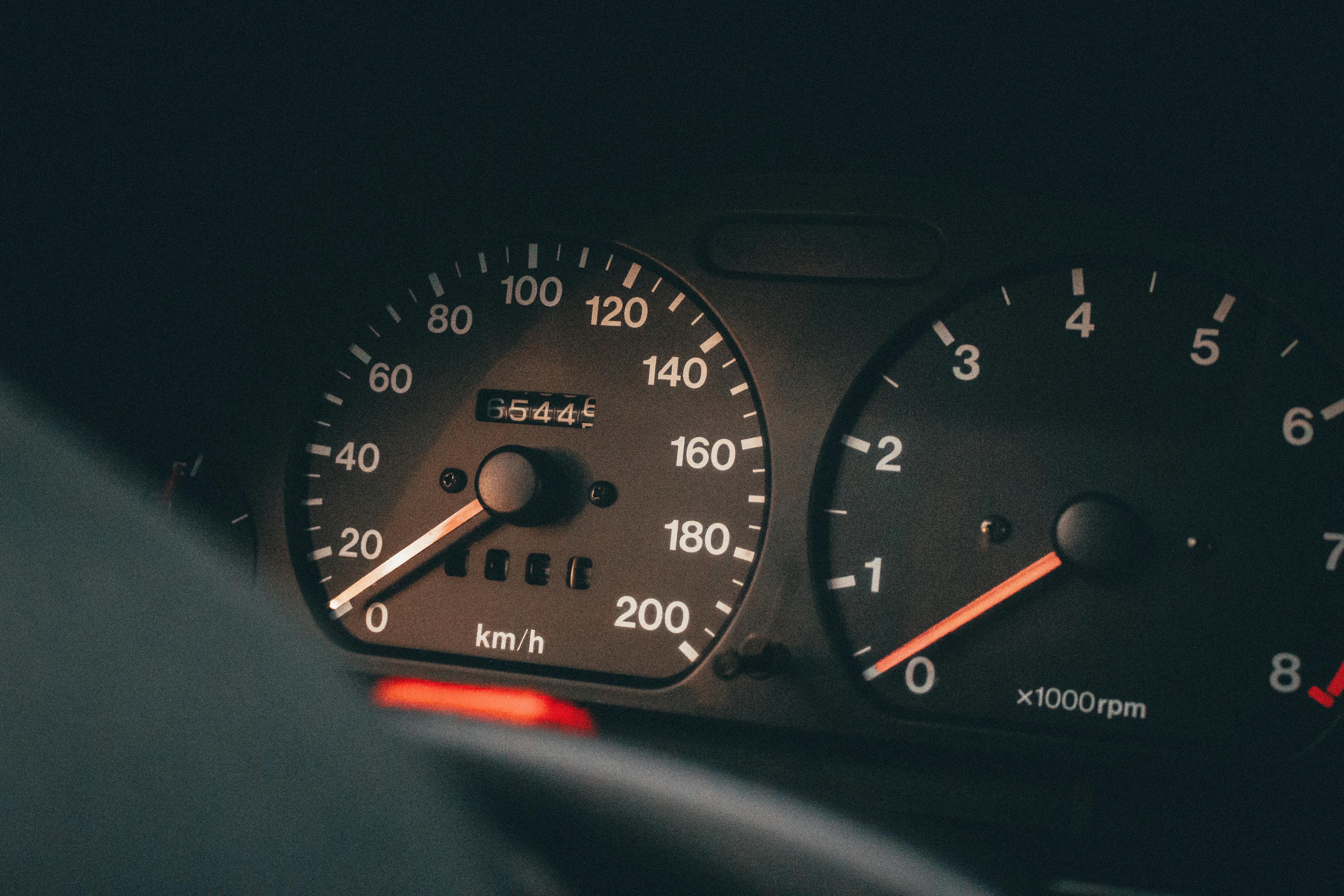
Crossing significant odometer milestones—most notably the 100,000-mile mark—triggers a steeper depreciation curve. Vehicles beyond this mileage threshold face reduced instant offer amounts due to increased component wear, higher long-term maintenance risks, and stricter lender financing limits for prospective secondary buyers. Conversely, extremely low-mileage vehicles command a premium because they require minimal mechanical reconditioning before placement on a retail lot.
Desirable factory options help cushion mileage-based depreciation. Premium audio systems, leather seating, advanced driver-assist packages, and panoramic sunroofs add measurable value to an instant offer, though they rarely offset high mileage entirely. High-demand safety tech and luxury trim levels keep your vehicle attractive to secondary buyers, ensuring a higher baseline appraisal than a base-spec model with identical mileage.
How Accurate Are Instant Online Valuations Before In-Person Inspection in Edmond?
An instant online valuation provides an accurate baseline price range based on real-time central Oklahoma market data, which is confirmed once an appraiser verifies the vehicle in person. Because digital estimates rely on self-reported condition ratings, a brief 20-to-30-minute physical inspection ensures that details like paint depth, mechanical health, tire wear, and cabin condition align with the initial online entry.

Sellers arriving from nearby suburban communities like Yukon find that preparing documentation ahead of time speeds up the final confirmation process. Bringing your original title or lien payoff document, current registration, valid driver's license, both factory keys, and complete service records allows our team to convert your conditional digital voucher into a firm purchase offer without delay.
Most digital cash offers remain valid for a 7-day or 500-mile validity window, whichever comes first, giving you ample time to collect your paperwork and arrange a visit. To review your online valuation or schedule a quick walk-around evaluation, visit our location on North Kelley Avenue or contact our appraisal desk at (405) 242-6142 today.
Common Questions About Vehicle Valuations and Instant Offers
What documentation do I need to finalize an instant cash offer?
To complete an instant cash offer transaction, you must present the original vehicle title (or a formal payoff letter from your lender if financed), valid state registration, a current driver's license matching the title name, all original keys and remote fobs, and any available service receipts.
How long is an instant online car valuation valid?
An instant online valuation is typically locked in for a 7-day or 500-mile validity window, whichever comes first. This timeframe protects your quoted price against sudden wholesale market shifts while allowing you adequate time to gather paperwork and visit the dealership for physical inspection.
Can I sell my vehicle if I still owe money on an active auto loan?
Yes, you can sell a financed vehicle. Our appraisers contact your lender to determine the exact payoff amount; if your cash offer exceeds the loan balance, we pay off the loan and hand you a check for the equity difference. If you owe more than the vehicle is worth, you can pay the remaining balance directly or roll the difference into a replacement vehicle loan.
Does minor cosmetic wear like small door dings destroy my cash offer?
Minor cosmetic imperfections like light stone chips or small door dings do not destroy your cash offer. Valuation tools factor normal age-appropriate wear into the Good and Very Good condition tiers, reserving heavy deductions primarily for structural damage, deep paint scratches across multiple panels, or mechanical failures.
Will installing aftermarket modifications increase my trade-in offer?
Aftermarket modifications such as custom exhaust systems, oversized wheels, or non-factory window tints rarely increase a trade-in offer and can sometimes lower value. Wholesale markets prioritize factory-original configurations, so non-standard alterations may require costly reconditioning to return the vehicle to stock appearance.
Take the Next Step Toward Your Accurate Car Offer
Getting a transparent, market-tested price for your vehicle takes only a few minutes from the comfort of your home. By decoding your vehicle identification number and analyzing live market data across central Oklahoma, our valuation process delivers a reliable purchase figure backed by real-time buyer demand.
Whether you plan to sell your vehicle outright for cash or trade it in to maximize state sales tax savings, our team provides straightforward evaluations with zero pressure. Gather your title or loan paperwork, grab your keys, and let us confirm your offer today.
Disclaimer: The information provided on this page is for general educational purposes only and does not constitute formal legal, financial, or tax advice. Oklahoma vehicle registration laws, administrative tag agency fees, and statutory title requirements are subject to change by state regulatory authorities; please consult Service Oklahoma or a licensed tag agency for official determinations. All final cash offers and trade-in valuations are determined upon physical vehicle inspection, verification of clear title history, and current wholesale market conditions, and any stated deduction ranges are for illustrative purposes only. Insurance claim settlements, total loss thresholds, and retained-salvage terms vary by individual insurance provider and policy contract.
© 2026 Sell Your Car to Cooper. All rights reserved.