


Drivers navigating the daily commute on the Broadway Extension in Edmond often find themselves weighing the cost of unexpected car repairs against the vehicle's actual market value. Deciding whether to invest in fixing a car before selling it or trading it in as-is requires a clear look at the numbers. At the same time, minor cosmetic touch-ups can help a vehicle make a strong first impression; major mechanical overhauls rarely deliver a positive return on investment.

When faced with a steep repair estimate, the most practical approach is to compare that bill directly to the vehicle's current market value. If the estimated cost of repairs exceeds half of what the vehicle is worth, proceeding with an as-is sale or trade-in is almost always the smarter financial path. Attempting to manage extensive repairs yourself introduces unnecessary delays and financial risk, whereas trading the vehicle in allows you to transition immediately into a reliable replacement.


Our team at Sell Your Car to Cooper specializes in making this transition seamless, regardless of your vehicle's current mechanical condition. If you are ready to explore your options, you can visit our team at 14349 N Kelley Ave, Edmond, OK 73013 to receive a straightforward appraisal. You can also give us a quick call at (405) 242-6142 to discuss your vehicle's condition before driving in.
Table of Contents
- Evaluating the Return on Investment for Pre-Sale Automotive Repairs
- Does Fixing Curb Rash and Cosmetic Blemishes Improve Your Trade-In Value?
- How Dealerships Calculate Reconditioning and Repair Costs During Appraisals
- Determining a Fair Asking Price for a Vehicle Needing Repairs
- Essential Documentation and Oklahoma Requirements for an As-Is Trade-In
- Understanding the Tax Advantages of Trading In Your Car
- Answers to Common Questions About Trading in Damaged Vehicles
- Evaluating the Return on Investment for Pre-Sale Automotive Repairs
- Does Fixing Curb Rash and Cosmetic Blemishes Improve Your Trade-In Value?
- How Dealerships Calculate Reconditioning and Repair Costs During Appraisals
- Determining a Fair Asking Price for a Vehicle Needing Repairs
- Essential Documentation and Oklahoma Requirements for an As-Is Trade-In
- Understanding the Tax Advantages of Trading In Your Car
- Answers to Common Questions About Trading in Damaged Vehicles
Evaluating the Return on Investment for Pre-Sale Automotive Repairs
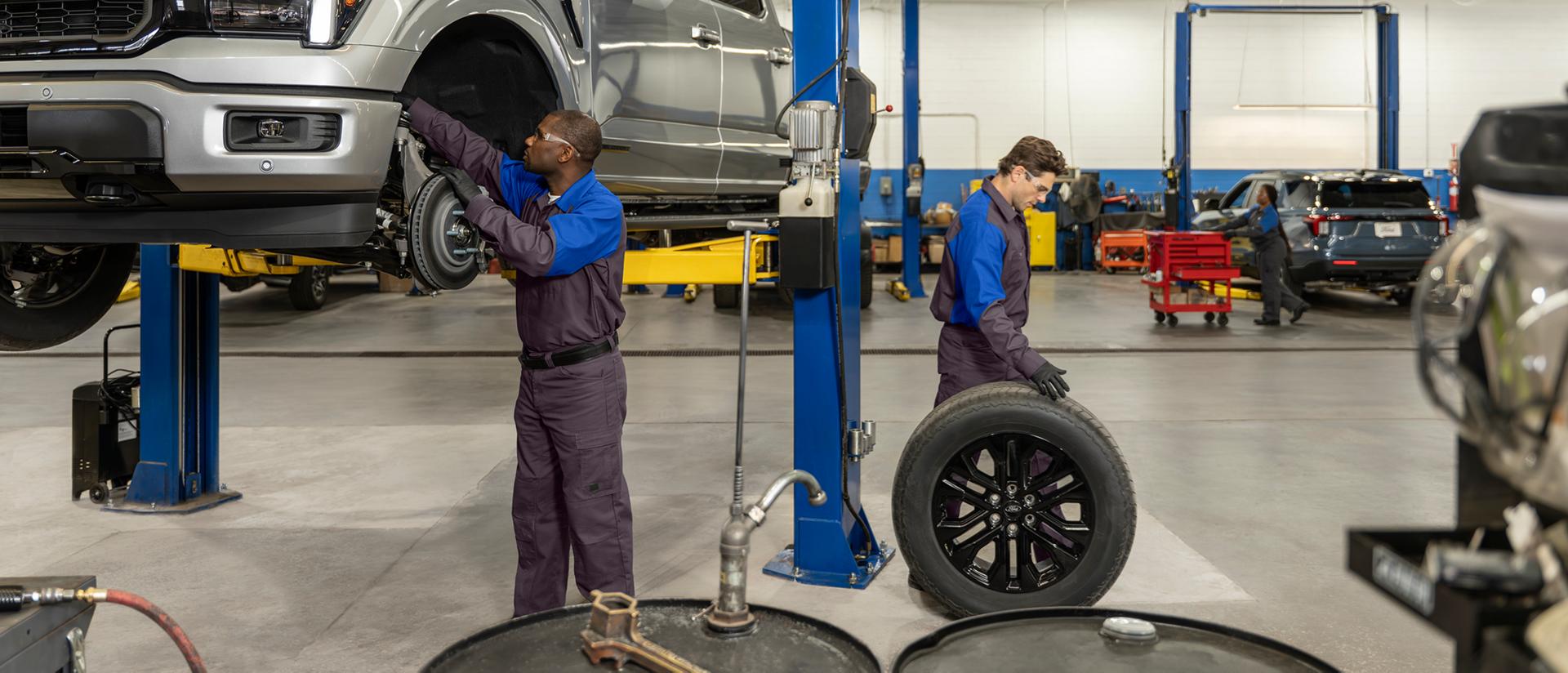

Spending thousands of dollars on major mechanical systems right before selling a vehicle is a common mistake that rarely pays off. Major repairs, such as replacing a failing transmission or resolving an engine block issue, are highly expensive and do not increase the vehicle's market value by a corresponding amount. A buyer will not pay a premium for a vehicle simply because it has a newly functioning transmission; they expect the transmission to work as a basic standard.
Conversely, low-cost cosmetic repairs and basic maintenance can offer a much higher return on investment. Simple steps like replacing burned-out light bulbs, installing fresh windshield wipers, or addressing minor body damage can significantly improve a buyer's perception. These affordable fixes help present the vehicle as well-maintained, which is especially critical during a private sale where buyers lack the protection of a dealership's bumper-to-bumper warranty or powertrain warranty.
For vehicles with extensive issues, attempting to restore them to "good" condition is often a losing proposition. Dealerships have access to wholesale parts and in-house labor, meaning they can perform these same repairs far more affordably than a private owner paying retail rates. Consequently, trading in a vehicle as-is allows you to avoid paying retail repair prices while still capturing a fair value for your trade.
Does Fixing Curb Rash and Cosmetic Blemishes Improve Your Trade-In Value?
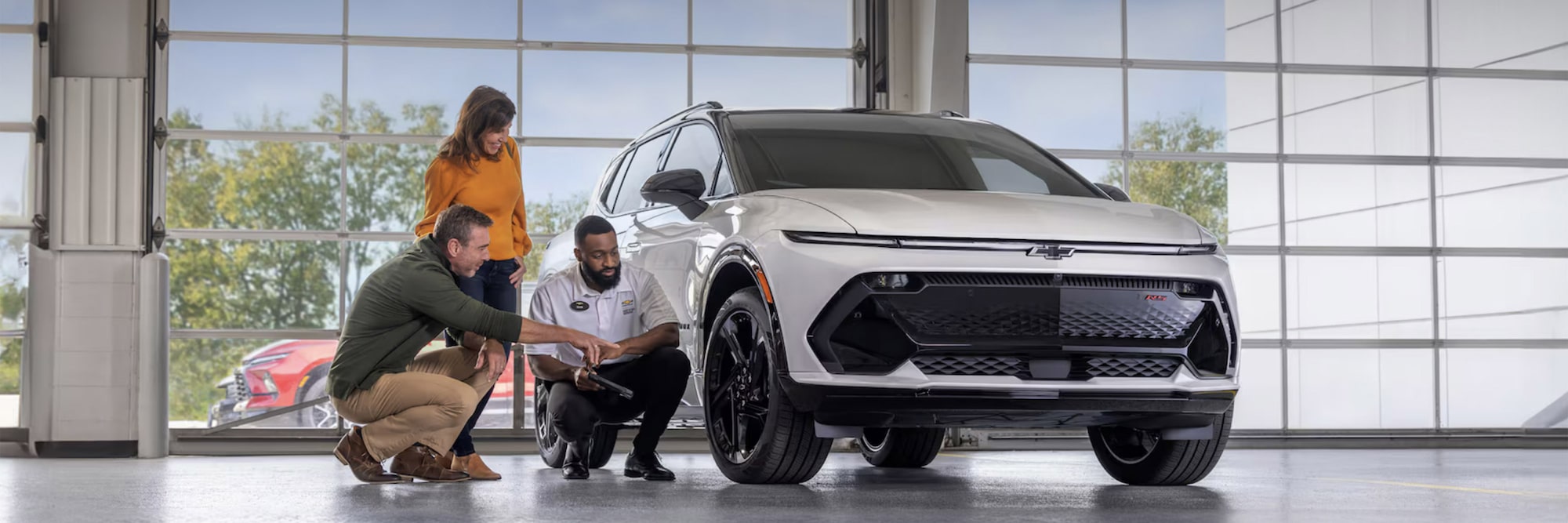
Wheel scuffs and minor paint chips are among the most visible imperfections on any used vehicle, leading many owners to wonder if cosmetic restoration is worth the upfront cost. Standard industry valuation models assume a vehicle is in "good" condition when establishing a baseline trade-in value. Visible cosmetic damage, worn tires, or deep interior stains can quickly downgrade a vehicle's official rating to "fair" condition, which typically reduces its trade-in value by hundreds of dollars.
Despite this potential drop in value, paying out of pocket to fix minor cosmetic blemishes like wheel curb rash is rarely a smart move for a trade-in. Retail wheel refinishing services charge premium rates that can easily exceed the actual value restored to the vehicle. When our team walks through an appraisal on our lot, the question we hear most often is whether minor cosmetic scuffs like curb rash are worth repairing before trading in, and we always advise that these minor flaws are best left to the dealership to handle.

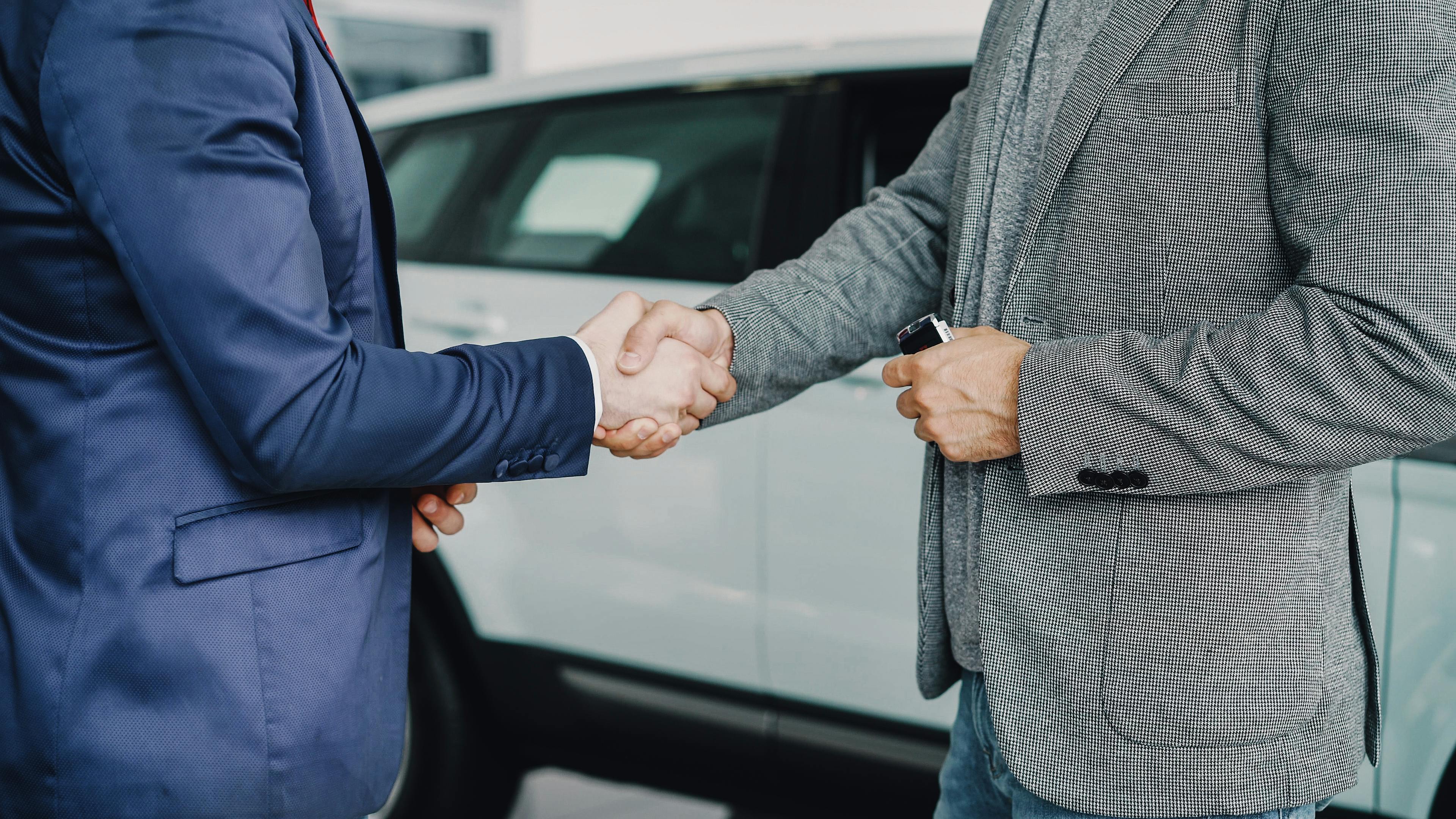
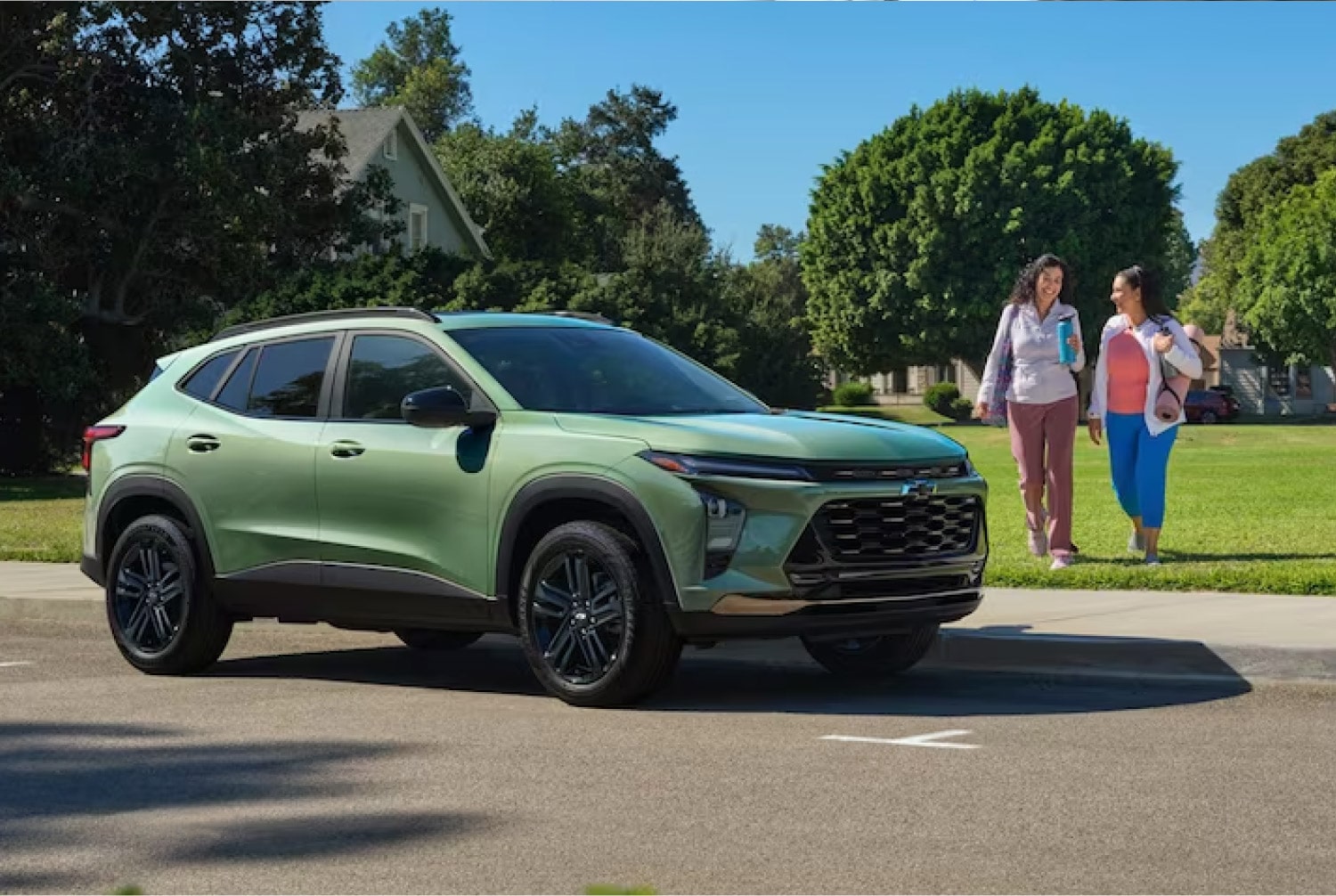
Dealerships routinely manage cosmetic reconditioning at wholesale prices that are unavailable to the general public. Instead of spending your own time and money coordinating body shop visits, trading the vehicle in as-is lets the dealer absorb those minor cosmetic tasks. This approach keeps your upfront expenses at zero while securing a competitive trade-in value based on the vehicle's realistic market state.
How Dealerships Calculate Reconditioning and Repair Costs During Appraisals

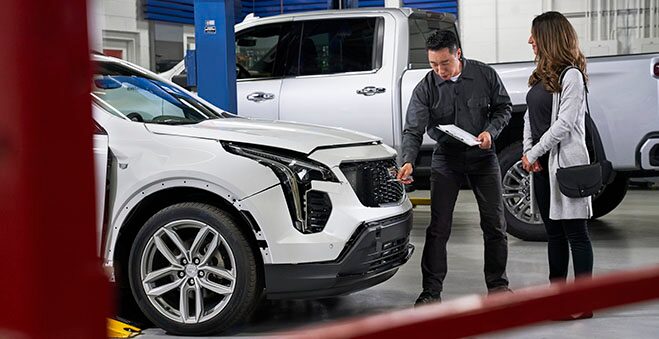
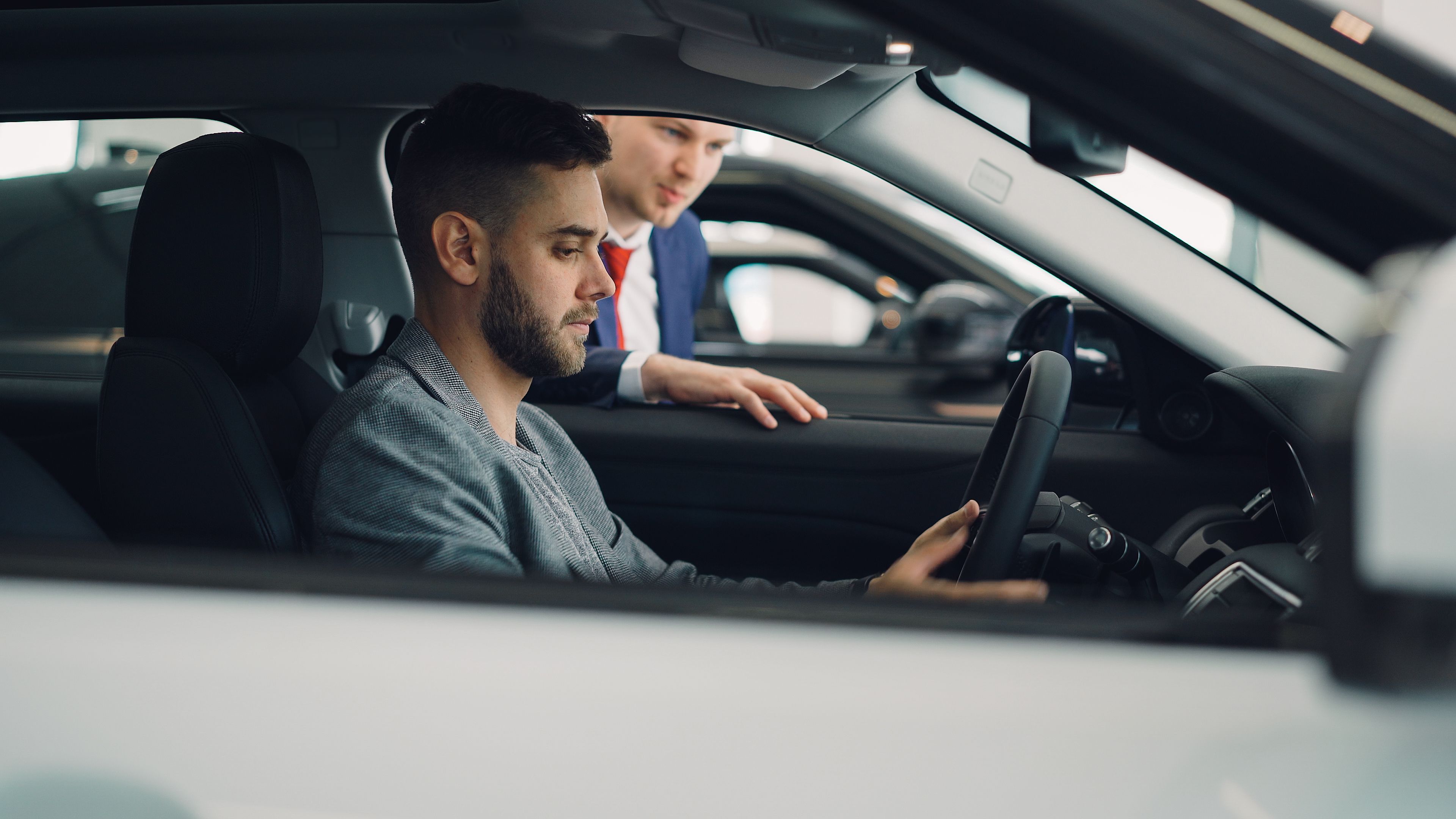
Understanding the internal math of a professional vehicle appraisal helps clarify why trading in an unrepaired vehicle is so highly efficient. During an appraisal, a dealership's acquisition team evaluates the vehicle's current state and estimates the cost of bringing it up to retail standards. These estimated reconditioning costs are then deducted directly from the vehicle's wholesale market value to determine the final trade-in offer.
The key advantage for the consumer lies in how these reconditioning costs are calculated. Dealerships do not calculate repair costs using the retail rates charged to the public; instead, they utilize internal labor rates and wholesale parts pricing. A repair that might cost a private consumer $1,000 at a local mechanic might only cost the dealership $500 to perform in-house.
Because of this wholesale pricing gap, the deduction applied to your trade-in offer is almost always lower than the retail bill you would pay to fix the car yourself. This system ensures that you retain more of your vehicle's value without having to coordinate or finance the repairs. It turns the dealership's service capacity into a direct financial benefit for your trade-in process.
Determining a Fair Asking Price for a Vehicle Needing Repairs

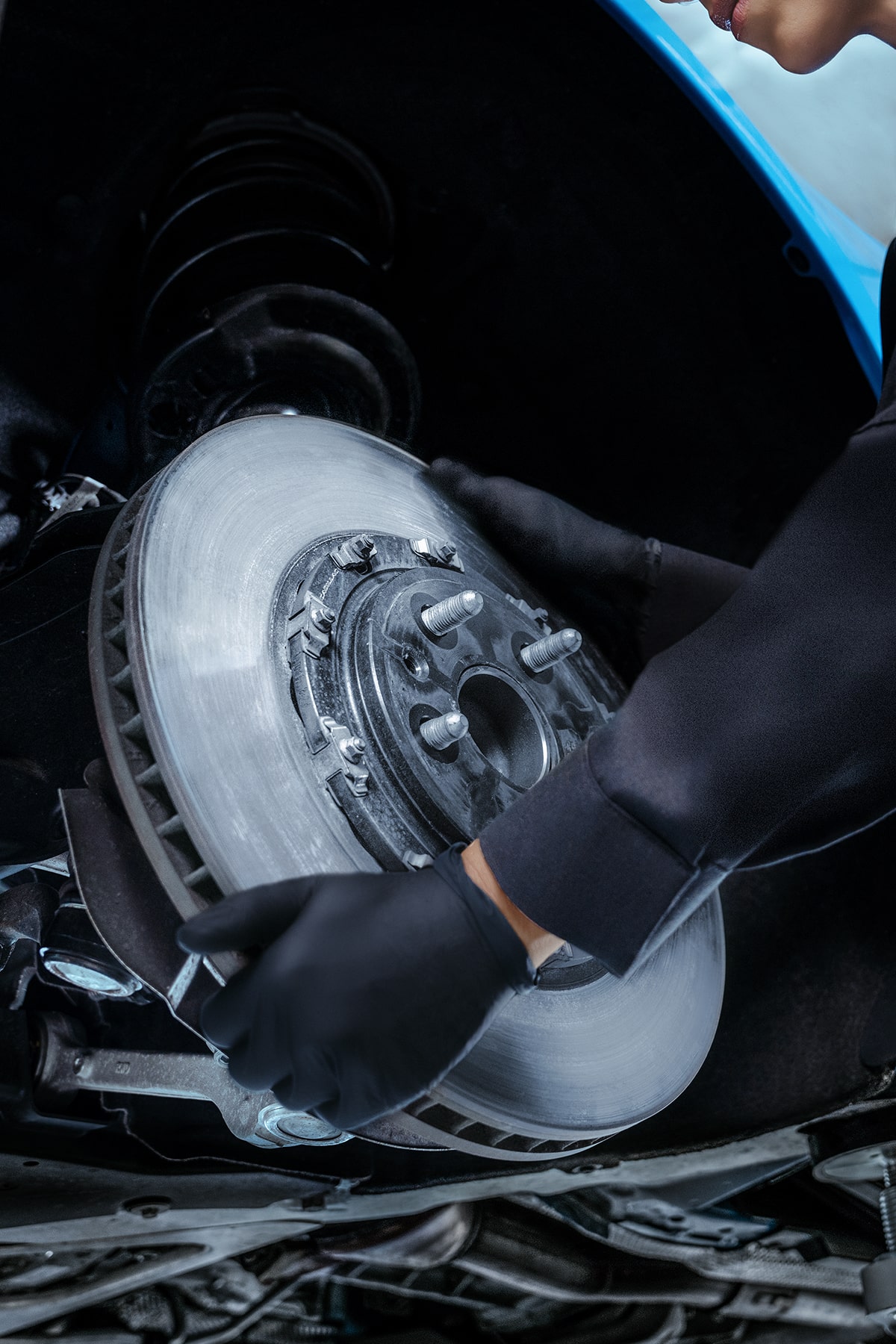
Setting a realistic price for a vehicle that requires mechanical or cosmetic attention is one of the most challenging aspects of a private sale. Private buyers are naturally risk-averse, and visible issues often lead to aggressive negotiation or outright rejection. To establish a fair starting point, you must begin with the vehicle's objective market value in "good" condition as a baseline.
Once you have established that baseline, you must subtract the estimated cost of the necessary retail repairs. However, simply subtracting the repair bill is rarely enough to attract a buyer, as they will expect a further discount to compensate for their time, effort, and the inherent risk of managing the repairs themselves. This combined deduction often reduces the realistic private-sale price far below what the owner originally anticipated.
This pricing friction is why private sales of damaged vehicles frequently stall. Buyers worry about hidden mechanical issues that might be uncovered once repairs begin, which drives their offers even lower. Trading the vehicle in at a professional dealership eliminates this pricing struggle entirely, as professionals have the diagnostic tools and experience to evaluate the vehicle accurately without requiring arbitrary risk discounts.
Essential Documentation and Oklahoma Requirements for an As-Is Trade-In

Navigating the legal transfer of a vehicle that needs repairs requires strict adherence to state and federal guidelines to protect both parties. The Oklahoma Used Motor Vehicle and Parts Commission requires all licensed dealerships to secure a properly assigned certificate of title and a completed odometer disclosure from the seller at the exact time of trade-in. Additionally, federal odometer law under 49 U.S.C. Chapter 327 mandates an accurate mileage disclosure for almost all passenger vehicles to prevent fraud.
For those attempting a private-party sale of a damaged vehicle, the paperwork requirements are equally rigorous. Oklahoma title law dictates that a private seller must provide the buyer with a properly assigned Oklahoma certificate of title, a detailed bill of sale displaying the final purchase price, and a completed odometer disclosure statement. Failing to properly execute these documents, or failing to disclose a branded or salvage title, can expose a private seller to severe civil liability and financial penalties.
Choosing to trade in your vehicle as-is to an established dealership simplifies this administrative burden immensely. Professional teams handle the transfer of ownership, title processing, and odometer verification in strict compliance with Oklahoma regulations. This professional management ensures that your liability ends the moment you sign the trade-in agreement, protecting you from future disputes regarding the vehicle's condition.
Understanding the Tax Advantages of Trading In Your Car
Many vehicle owners overlook the significant tax benefits associated with trading in a vehicle compared to selling it privately. In Oklahoma, state tax regulations allow you to apply the value of your trade-in directly against the purchase price of your next vehicle for sales tax calculation. Instead of paying sales tax on the full purchase price of the new vehicle, you are only taxed on the net difference.
This tax structure can easily close the gap between a private-sale offer and a dealer's trade-in appraisal. For example, if you trade in a vehicle valued at $10,000 toward a newer model, that trade-in amount is completely exempt from the state's vehicle sales tax. The resulting savings can represent hundreds of dollars in direct tax relief, making the trade-in process financially superior to a private sale.
When you combine these tax savings with the money saved by avoiding retail repairs, the financial advantage of trading in as-is becomes clear. You avoid the upfront out-of-pocket costs of fixing a damaged vehicle while simultaneously reducing your tax burden on your next purchase. It is a highly efficient way to maximize the overall value of your automotive investment.
Answers to Common Questions About Trading in Damaged Vehicles
Q: Should I get an oil change before trading in my car?
Doing basic maintenance like an oil change shows that you have cared for the vehicle, but it will not measurably increase your trade-in value. Since dealerships perform their own multi-point inspections and fluid changes upon receiving a vehicle, you are better off saving the expense and trading it in as-is.
Q: Is it worth repairing a leaking gasket or radiator before selling?
Major mechanical issues like a leaking head gasket or a cracked radiator are highly expensive to repair at retail rates. Because dealerships can resolve these issues far more affordably using wholesale parts and in-house technicians, you will rarely recoup the retail cost of these repairs in your final sale price.
Q: What items should I bring to the dealership when trading in my car as-is?
-
The vehicle's original Oklahoma certificate of title
-
A current, valid vehicle registration
-
Your government-issued driver's license
-
All available sets of keys and key fobs
-
Any past maintenance and service records (to support a higher appraisal)
Q: How does a branded or salvage title affect my trade-in options?
A branded or salvage title significantly reduces a vehicle's market value and makes private sales exceptionally difficult due to buyer hesitation. Professional dealerships can still evaluate and accept these vehicles, ensuring a legal transfer of ownership that fully complies with Oklahoma disclosure laws.
Q: Can I trade in a vehicle if I still owe money on the auto loan?
Yes, you can trade in a vehicle with an active loan, even if the vehicle needs repairs. The dealership will contact your lender to obtain the exact payoff amount, deduct the trade-in value from that balance, and either pay off the remaining loan or roll the difference into your new financing agreement.
Start Your Hassle-Free Appraisal in Edmond


To get a clear, hassle-free evaluation of your vehicle's current value, visit our physical address at 14349 N Kelley Ave, Edmond, OK 73013. If you prefer to discuss your vehicle's condition and walk through the initial appraisal steps over the phone, feel free to give us a call at (405) 242-6142 today.
© 2026 Sell Your Car to Cooper. All rights reserved.