


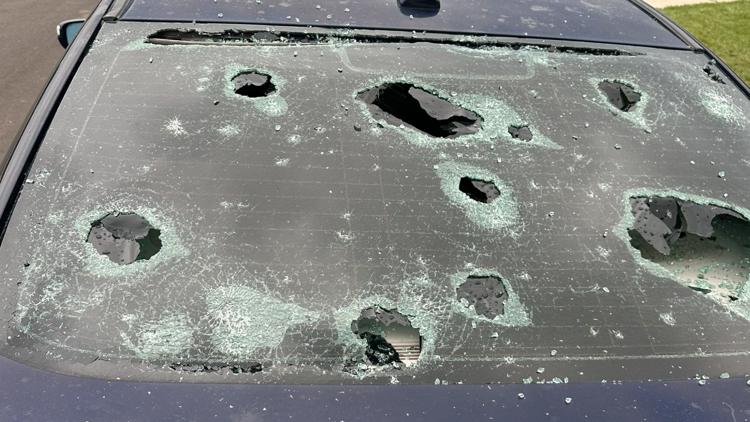
Hail damage typically reduces a car's resale value by 10% to 30% in Oklahoma, depending on dent count, panel distribution, and paint condition. Minor cosmetic dings across a hood or roof often trigger a $1,500 to $3,000 trade-in deduction. At the same time, severe storm pockmarks exceeding 100 dents can eliminate $4,000 to $6,000 or more from a vehicle's market equity.
When severe weather rolls across the rolling plains near Arcadia Lake, falling ice pellets striking sheet metal leave immediate visual dimples. The real financial loss occurs later when attempting to sell or trade the vehicle. Dealership appraisers and professional vehicle buyers do not view hail pockmarks as minor surface blemishes. Instead, appraisers tally panel reconditioning expenses, structural risk, and potential wholesale auction fees, deducting those costs directly from cash market offers.
%20(1)%20(2).jpg)
Unrepaired storm dings create a significant gap between retail market values and cash appraisal offers. A late-model SUV valued at $30,000 pre-storm can instantly lose $3,000 to $9,000 in market value if left dented. While selling directly to a private individual might seem like a way to avoid wholesale reconditioning penalties, private buyers introduce a heavy discount. Individual shoppers inspecting dimpled hood metal frequently assume exterior damage signals broader mechanical neglect, driving cash offers even lower.
For owners seeking a transparent valuation without dealing with private market hesitation, our vehicle acquisition team provides direct cash offers based on real market equity. You can give our team a quick call or visit our Edmond vehicle acquisition office on North Kelley Avenue to get a clear cash evaluation for your vehicle.
Table of Contents
- At What Point Does Hail Damage Lead Insurers to Total a Car in Oklahoma?
- How Does Oklahoma's 60 Percent Rule Apply to Hail Damage?
- How Do Dent Severity, Paint Cracking, and Body Inspection Impact Resale Value?
- How Does Paintless Dent Repair Compare to Traditional Bodywork for Resale Value?
- What Documentation Should You Prepare Before Selling Your Hail-Damaged Car?
- What Questions Do Buyers Ask Most About Selling a Hail-Damaged Car?
- At What Point Does Hail Damage Lead Insurers to Total a Car in Oklahoma?
- How Does Oklahoma's 60 Percent Rule Apply to Hail Damage?
- How Do Dent Severity, Paint Cracking, and Body Inspection Impact Resale Value?
- How Does Paintless Dent Repair Compare to Traditional Bodywork for Resale Value?
- What Documentation Should You Prepare Before Selling Your Hail-Damaged Car?
- What Questions Do Buyers Ask Most About Selling a Hail-Damaged Car?
At What Point Does Hail Damage Lead Insurers to Total a Car in Oklahoma?
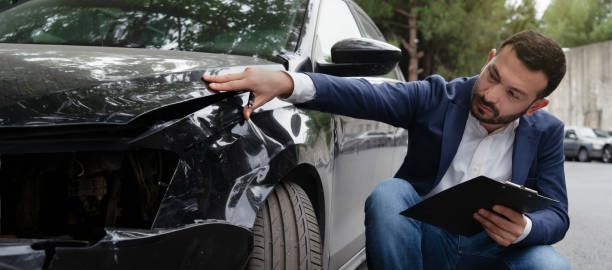
Insurance carriers declare a hail-damaged vehicle an economic total loss when the estimated cost of repairs, replacement glass, trim, and sensor recalibrations reaches the state's total loss percentage threshold relative to the vehicle's pre-loss actual cash value. In practical terms, hail repair estimates ranging from $4,000 to $10,000 can cause an insurer to total an older or mid-value vehicle even when its engine, transmission, and frame remain completely undamaged.
Unlike a high-speed collision that compromises structural frame rails or deploys airbags, a hail total loss is purely a financial decision made by an insurance adjuster. The insurer determines what the vehicle was worth immediately before the storm, then calculates the cost of panel restoration, glass work, and rental car coverage during repairs. If the repair file gets too close to the pre-loss cash value, the carrier writes off the vehicle, issues a payout check, and sends the car to a salvage auction.
Modern vehicle design accelerates total loss determinations on newer models. Roof assemblies are no longer simple sheets of metal; many host panoramic glass panels, satellite antennas, and driver-assist cameras. Windshields often house lane-departure sensors that require technical recalibration after glass replacement. When hail impacts these integrated systems simultaneously, repair bills double quickly. When vehicle owners ask us why a perfectly drivable vehicle was written off after a storm, we point to the repair estimate breakdown where windshield recalibrations and multi-panel labor quickly outpace market value.
Older sedans and higher-mileage crossovers are vulnerable to being written off because their market values provide a small financial buffer. Fixing 80 dents across a roof, hood, and trunk lid on an older vehicle worth $7,000 can easily generate a $4,500 repair bill, triggering an automatic write-off.
How Does Oklahoma's 60 Percent Rule Apply to Hail Damage?
Under Oklahoma state law, a vehicle receives a salvage title if the cost of repairing it for safe operation on the highway exceeds 60 percent of its actual cash value. However, because hail damage is almost exclusively cosmetic and does not compromise the vehicle's structural integrity or highway safety, it is legally exempt from this 60 percent threshold. Oklahoma statutes specifically state that actual repair costs for salvage calculations only include labor and parts for structural components like the frame, motor, transmission, and suspension.
Because of this cosmetic exemption, Oklahoma does not issue a "hail-damaged" or "salvage" title for hail impacts. Even if your insurance provider declares your vehicle an economic total loss because the cost of paintless dent repair and glass replacement exceeds their payout limits, your vehicle retains a clean Oklahoma title.
This is a significant advantage for vehicle owners. If you choose a retained-salvage payout, you can keep the insurance check and the car without suffering the steep market deduction usually associated with branded titles. When you decide to sell, you are transferring a clean-title vehicle. While buyers and appraisers will still deduct the cost of reconditioning the dents from your cash offer, you completely bypass the financing restrictions and paperwork hurdles of a salvage history.
How Do Dent Severity, Paint Cracking, and Body Inspection Impact Resale Value?
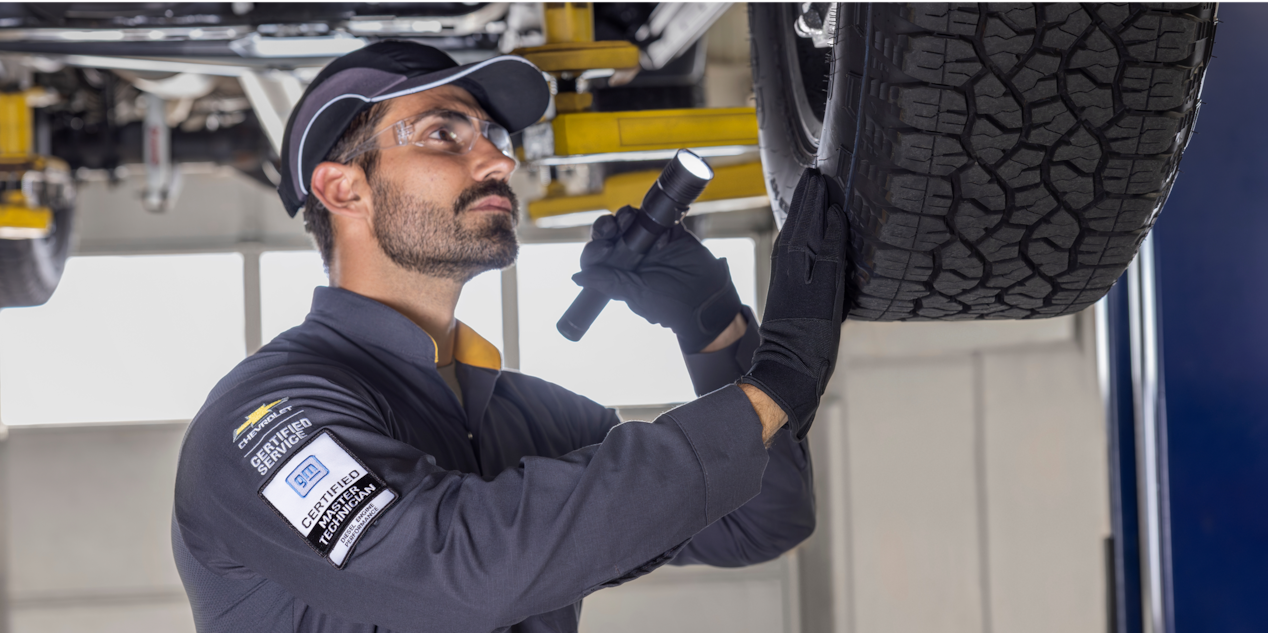

Vehicle appraisers evaluate hail damage by counting affected body panels, measuring dent depth, and verifying whether the clear coat paint layer remains unbroken. Unbroken paint allows for specialized dent extraction that preserves factory finish, whereas cracked paint or stretched sheet metal requires panel replacements and repainting, increasing repair costs and lowering cash offers.
Professional vehicle inspectors use specialized tools to detect subtle hail damage during appraisals. Cross-axis light strips, LED reflector boards, and digital paint-depth gauges reveal hidden panel creases that are invisible under cloud cover. Digital paint-depth gauges measure clear coat thickness in mils; variations across a hood reveal previous body filler or aftermarket repainting. Non-factory paint ages prematurely under intense summer sun, increasing the risk of clear coat peeling and driving appraiser deductions higher.
For commuters driving along I-40 through Yukon, keeping vertical body lines and factory paint intact makes a measurable difference at resale. Appraisers easily distinguish between random horizontal hail impacts on hoods and vertical parking lot door dings. When hail impacts break the clear coat, moisture penetrates the bare steel beneath, leading to surface rust if left untreated. Vehicles with cracked paint carry severe appraisal deductions because buyers must budget for sanding, priming, and full panel resprays.
How Does Paintless Dent Repair Compare to Traditional Bodywork for Resale Value?
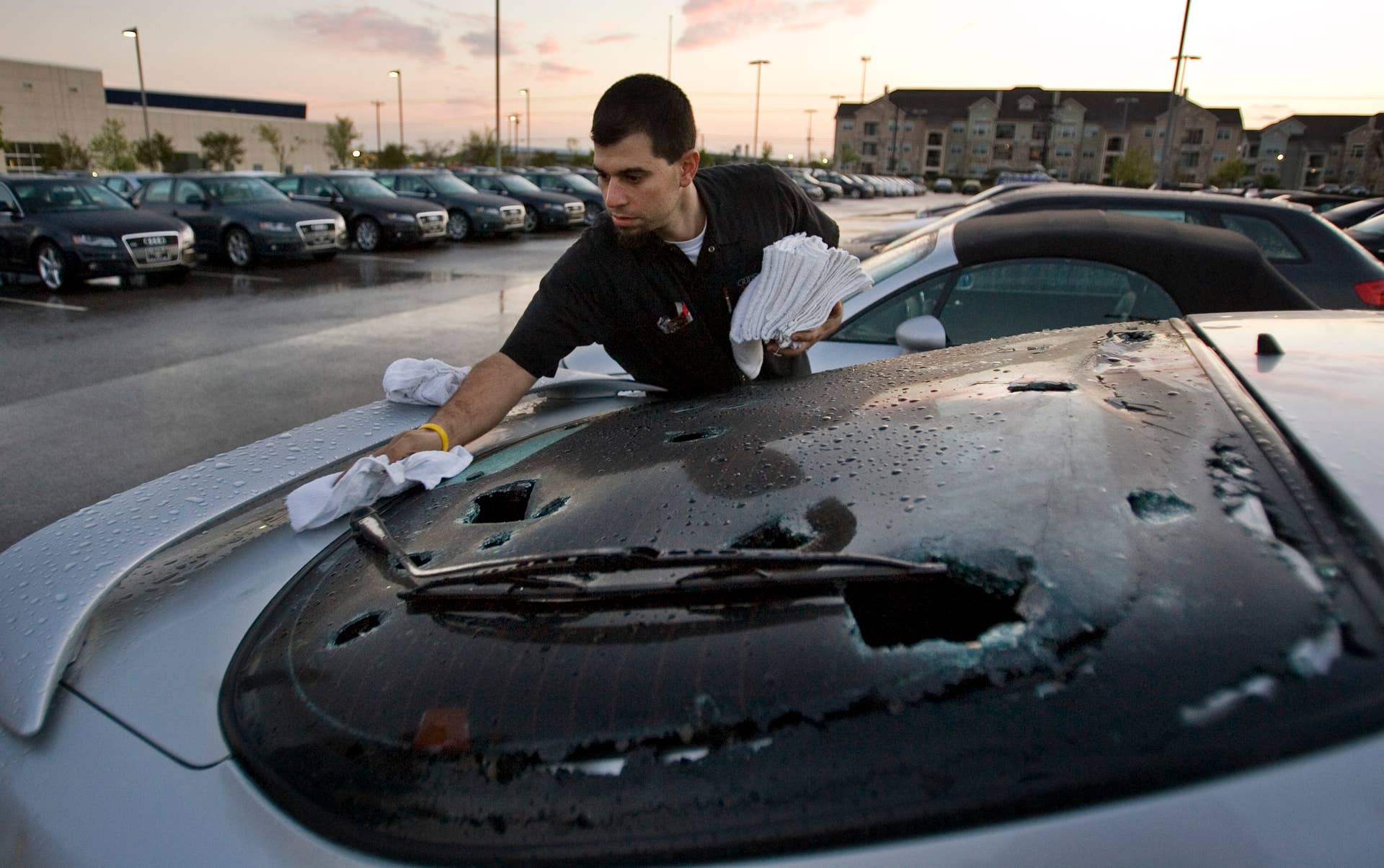
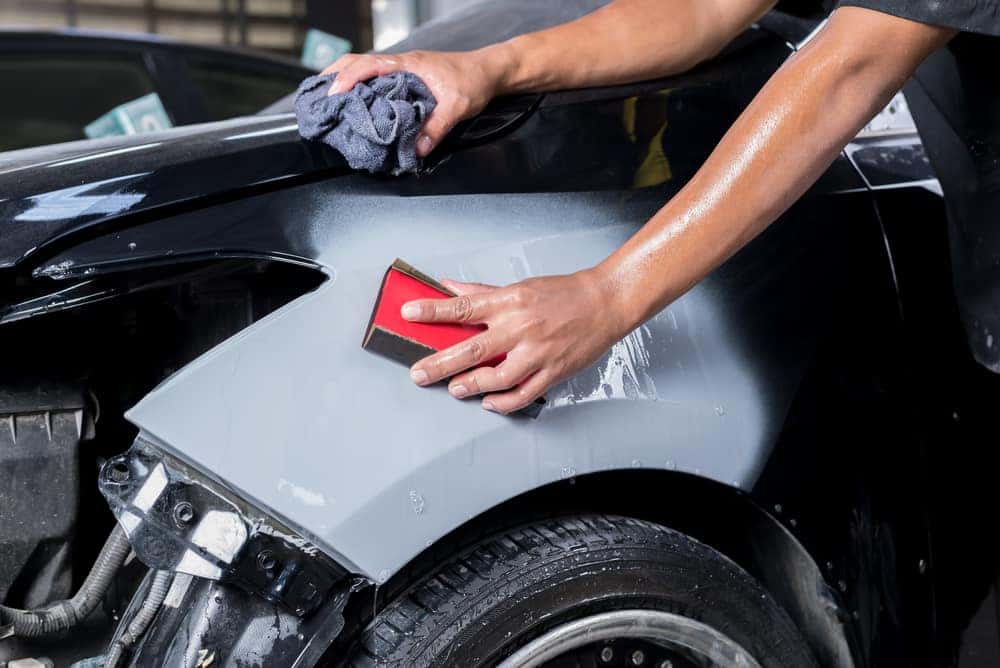
Paintless dent repair (PDR) preserves up to 100% of a vehicle's original equity by using specialized tools to massage sheet metal back to its factory shape from behind the panel without disturbing the original finish. Traditional bodywork requires grinding away clear coat, applying polyester body filler, and spraying aftermarket paint, which alerts future buyers and appraisers to past body repairs.
PDR is the preferred restoration method for light to moderate hail damage where the clear coat remains unbroken. Because PDR eliminates the need for sanding, filling, and color matching, turnaround times average just 1 to 5 business days compared to weeks at a traditional collision center. Retaining the factory clear coat preserves manufacturer anti-corrosion warranties, protecting the vehicle's long-term resale appeal.
Traditional collision repair is necessary only when hail size fractures the paint or deforms structural roof pillars. When conventional bodywork is performed, non-factory paint layers register as thicker on appraiser gauges, leading to lower trade-in offers. Choosing PDR whenever possible protects market equity and ensures a faster, cleaner sales process.
What Documentation Should You Prepare Before Selling Your Hail-Damaged Car?
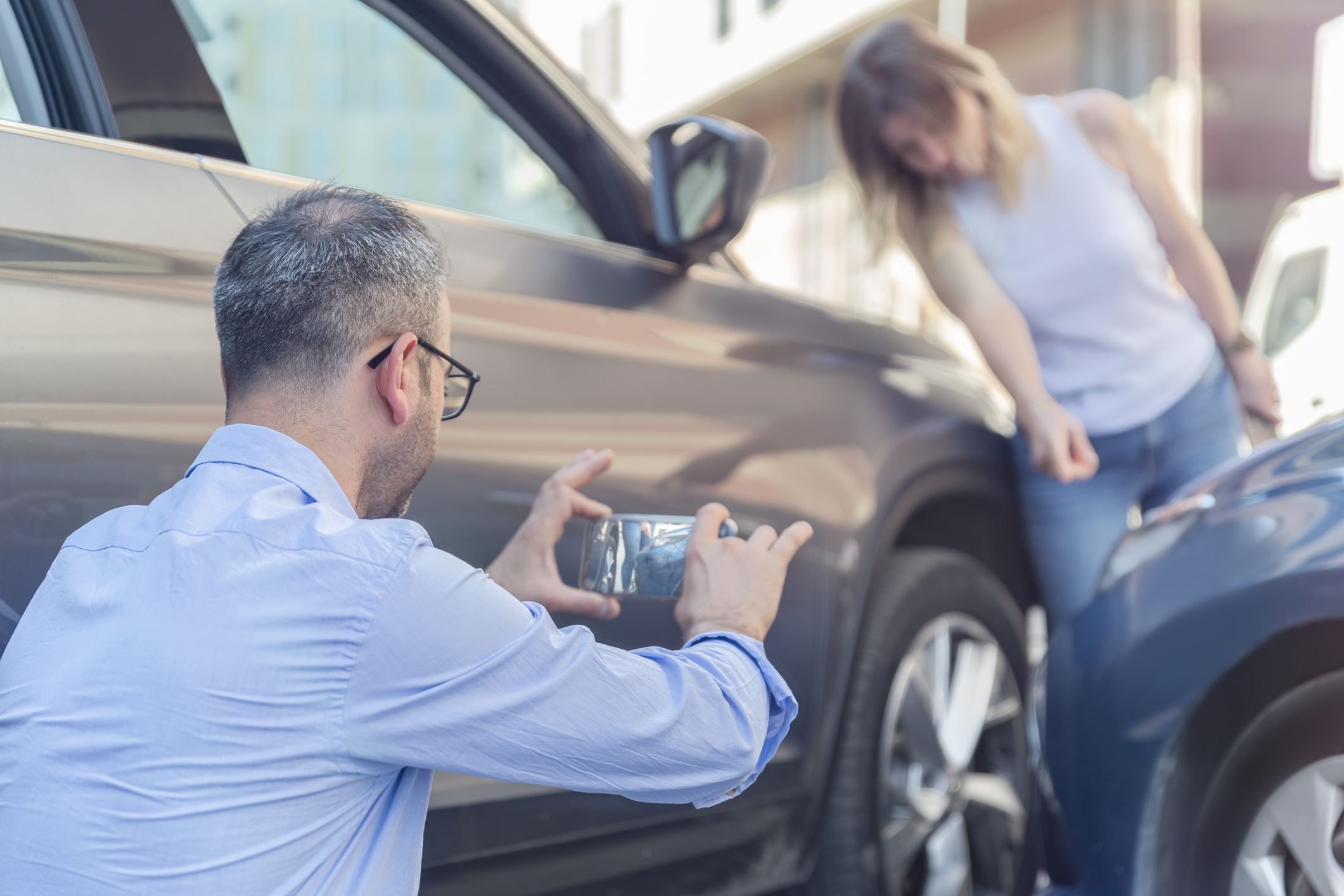
Gathering bright daylight photos taken at a 30-to-45-degree grazing angle, recording the storm date, providing the official insurance claim adjustment, and maintaining complete service records gives buyers the documentation needed to make a strong cash offer. Comprehensive records reassure prospective buyers that the damage is purely cosmetic rather than structural.
A complete documentation file for a hail-impacted vehicle should include:
- High-resolution photographs capturing panel dimples, roof conditions, and glass integrity.
- Detailed maintenance logs proving routine oil changes, brake service, and tire rotations.
- Original window sticker or option list verifying trim level, package upgrades, and safety technology.
- Official insurance adjuster estimates outlining dent counts, panel counts, and payout breakdowns.
- Receipts for any completed PDR work or glass replacement receipts.
Documenting factory options and recent maintenance offsets cosmetic appraisal deductions. Demonstrating that a vehicle features premium leather seating, advanced driver-assist packages, or brand-new tires proves that its overall mechanical equity remains strong despite surface dimples. Presenting a complete history file converts a vague cosmetic issue into a transparent, verifiable vehicle history, helping buyers offer top dollar.
What Questions Do Buyers Ask Most About Selling a Hail-Damaged Car?
Is a hail-damaged car harder to sell to a private party than to a dealership?
Selling a hail-damaged car privately is often difficult because individual cash buyers demand steep price discounts to accept cosmetic flaws, while financed buyers face lender restrictions on damaged vehicles. Professional vehicle buyers evaluate the vehicle's actual mechanical equity and current market value, providing an immediate cash offer without the delays, continuous test drives, or payment negotiations common in private sales.
Does an insurance hail claim automatically show up on a vehicle history report?
Filing a comprehensive insurance claim for hail damage usually creates an entry on vehicle history reports, detailing the date of loss and reported severity. If repair costs remain under state total-loss thresholds, the vehicle retains its clean title, but the history report will note the storm claim. Providing prospective buyers with repair invoices or independent PDR assessments confirms the claim was purely cosmetic.
Can I sell my vehicle for cash if I kept the insurance payout check without fixing the dents?
You can legally sell a hail-damaged vehicle after retaining an insurance claim check, provided you own the vehicle outright without an active lienholder. Lenders typically require claim payouts to go directly toward repairs to protect their financial interest. If you hold a clear title, you can sell the vehicle in its current unrestored condition, though the cash offer will reflect reconditioning deductions for the unrepaired dents.
How do appraisers tell the difference between hail damage and parking lot door dings?
Appraisers distinguish hail damage by inspecting the distribution, shape, and location of panel indentations. Hail impacts strike randomly across horizontal top surfaces, including hoods, roofs, panoramic glass, and trunk lids. Door dings occur vertically along side door panels and body lines. Hail damage also exhibits shallow, rounded profiles caused by falling ice, whereas door dings present sharp vertical creases from adjacent vehicle doors.
Will paying for hail repairs out-of-pocket before selling increase my net profit?
Paying out-of-pocket for hail repairs before selling rarely yields a positive financial return on older or mid-value vehicles. While PDR eliminates visual cosmetic deductions, the cost of repairing 80 to 100 dents across multiple panels often exceeds the additional value recovered at sale. Obtaining an instant cash offer in current condition allows you to compare net proceeds before investing thousands in bodywork.
Sell Your Hail-Damaged Car for Cash Today


Selling a hail-damaged vehicle in Oklahoma does not have to be a frustrating process involving lowball private offers or endless insurance delays. Whether your vehicle carries minor cosmetic dimples from a spring storm or your insurance company recently declared it an economic total loss, Sell Your Car to Cooper buys cars in any condition.
Our team evaluates your vehicle's mechanical condition, options, and market equity to provide a fair cash offer on the spot. Skip the stress of private listings and wholesale auction risks. You can reach our appraisal team directly by calling (405) 242-6142 or visiting our Edmond vehicle acquisition office today to get your competitive cash offer and sell your vehicle with confidence.
Disclaimer: The information provided on this page is for general educational purposes only and does not constitute formal legal, financial, or tax advice. Oklahoma vehicle registration laws, administrative tag agency fees, and statutory title requirements are subject to change by state regulatory authorities; please consult Service Oklahoma or a licensed tag agency for official determinations. All final cash offers and trade-in valuations are determined upon physical vehicle inspection, verification of clear title history, and current wholesale market conditions, and any stated deduction ranges are for illustrative purposes only. Insurance claim settlements, total loss thresholds, and retained-salvage terms vary by individual insurance provider and policy contract.
© 2026 Sell Your Car to Cooper. All rights reserved.