


Moderate to severe interior odors typically reduce a vehicle's trade-in appraisal value by $300 to $700 for localized reconditioning. At the same time, persistent cigarette smoke contamination can trigger valuation drops of 10% to 15%, representing a loss of $1,000 to $5,000 depending on total car value. Because used vehicle condition standards reserve top trade-in offers for cabins free of noticeable scents, appraisers factor required professional reconditioning directly into their valuation.
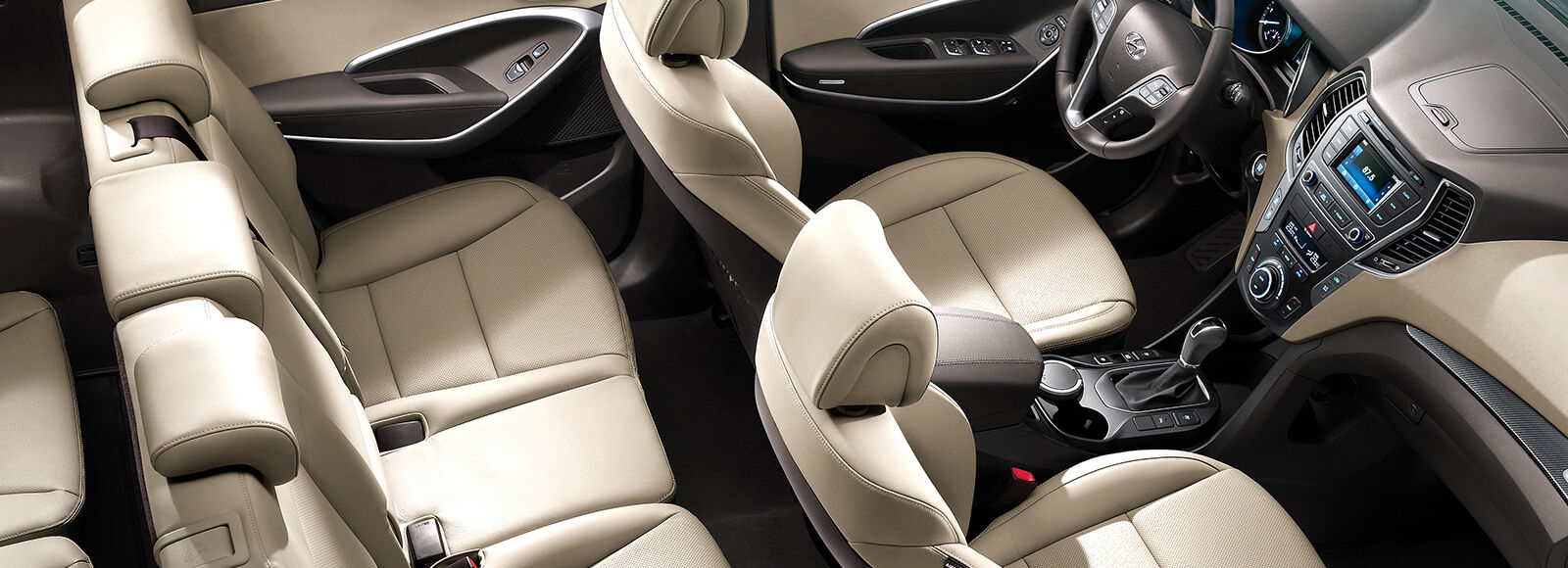
When evaluating used cars for our inventory at Sell Your Car to Cooper, an appraiser opens the driver's door and immediately assesses the cabin environment. Severe tobacco smoke leaves a lingering residue that penetrates soft textiles, requiring extensive chemical treatment before a car can be prepped for retail resale. Appraisers deduct these reconditioning costs from the vehicle's base wholesale market value to ensure the car can be brought up to retail standards.
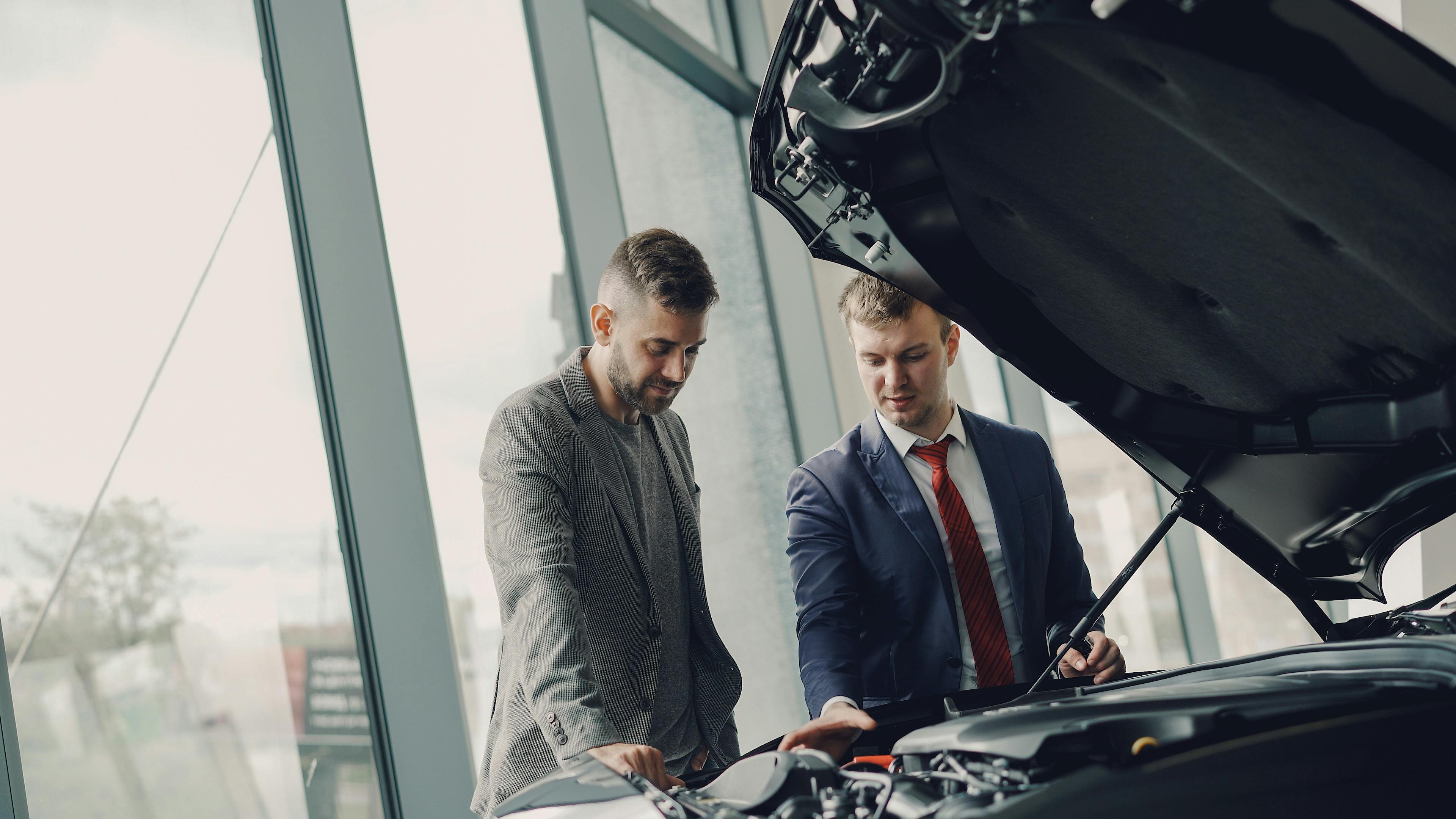
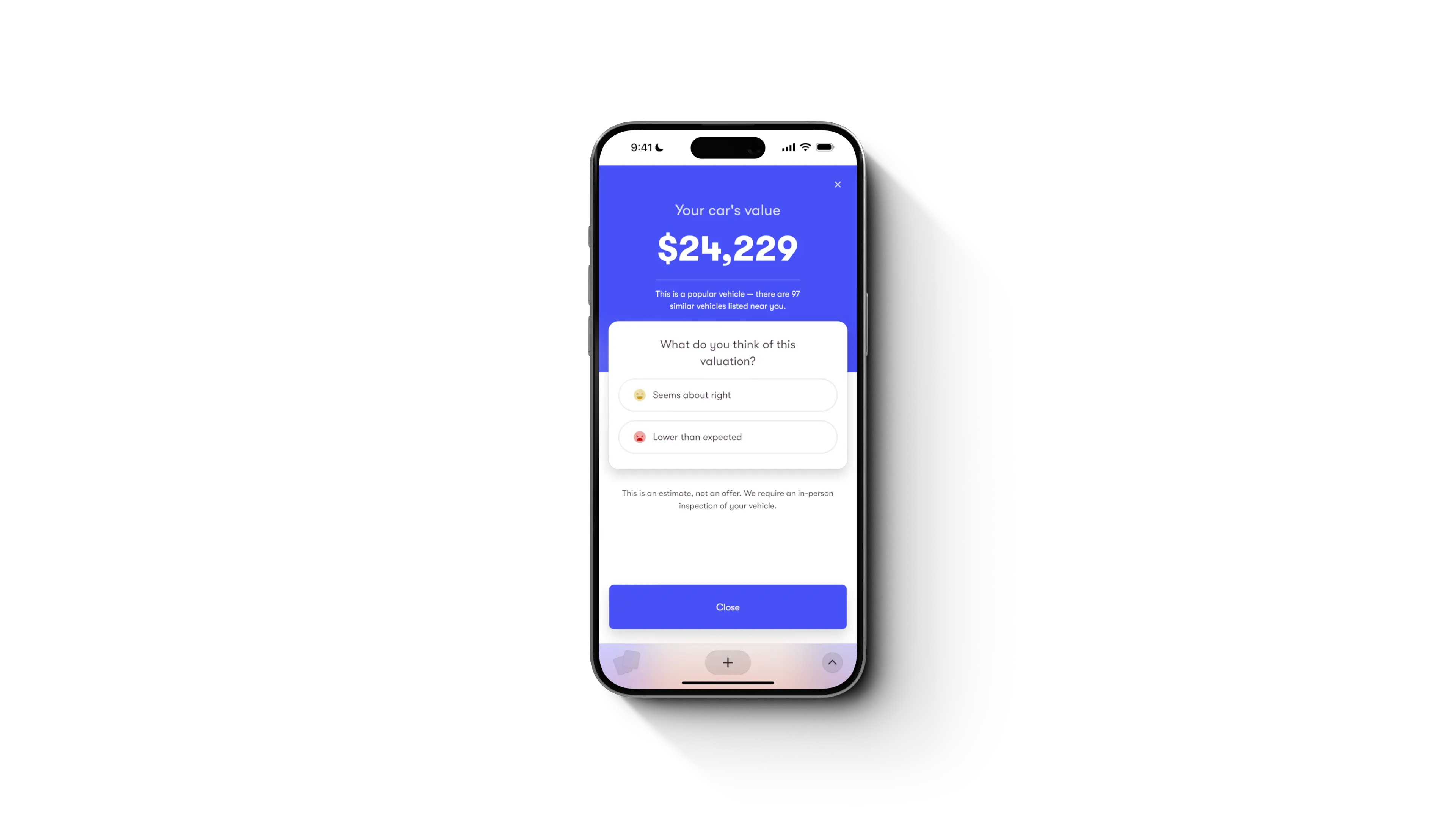

Pet hair accumulation creates similar reconditioning challenges during evaluation. Hair trapped deep inside carpeting, seat crevices, and cargo floor backings requires mechanical agitation and extra labor hours to extract completely. If lingering pet odors accompany the hair, the appraisal must account for deep fabric extraction or thermal fogging treatments. Drivers preparing for a vehicle evaluation can visit our buying center at 14349 N Kelley Ave or reach out by calling (405) 242-6142 to discuss how cabin condition impacts their trade-in estimate.
Table of Contents
- Are Interior Odors Treated as Minor Flaws or Serious Reconditioning Issues?
- What Does a Resale-Focused Interior Detailing Package Include?
- What DIY Steps Can Reduce Smoke and Pet Odors Before an Appraisal?
- What Routine Habits Prevent Interior Odor Problems That Hurt Appraisal Value?
- Frequently Asked Questions About Vehicle Interior Odors and Appraisals
- Maximize Your Vehicle's Appraisal Offer at Sell Your Car to Cooper
- Are Interior Odors Treated as Minor Flaws or Serious Reconditioning Issues?
- What Does a Resale-Focused Interior Detailing Package Include?
- What DIY Steps Can Reduce Smoke and Pet Odors Before an Appraisal?
- What Routine Habits Prevent Interior Odor Problems That Hurt Appraisal Value?
- Frequently Asked Questions About Vehicle Interior Odors and Appraisals
- Maximize Your Vehicle's Appraisal Offer at Sell Your Car to Cooper
Are Interior Odors Treated as Minor Flaws or Serious Reconditioning Issues?

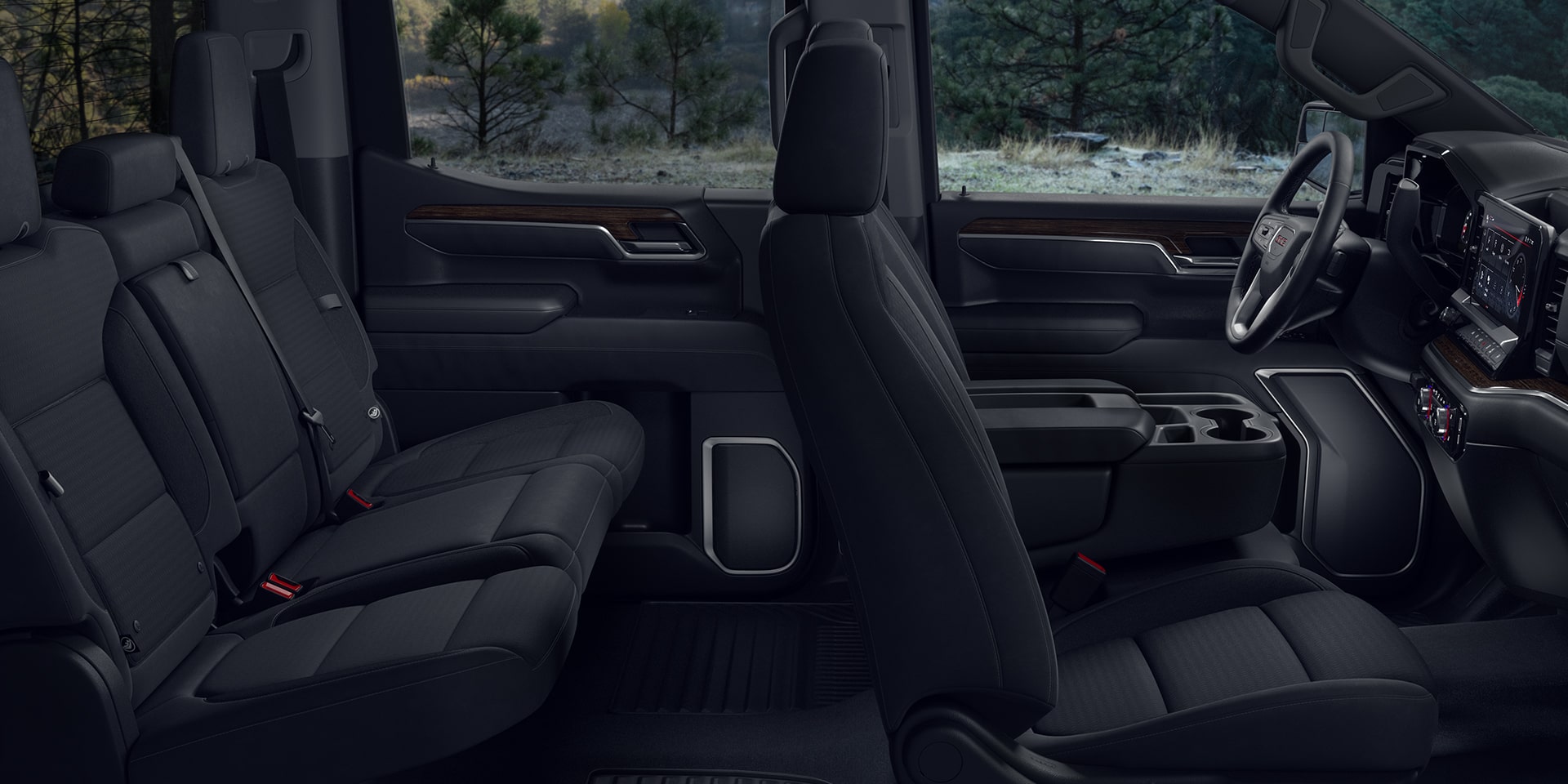
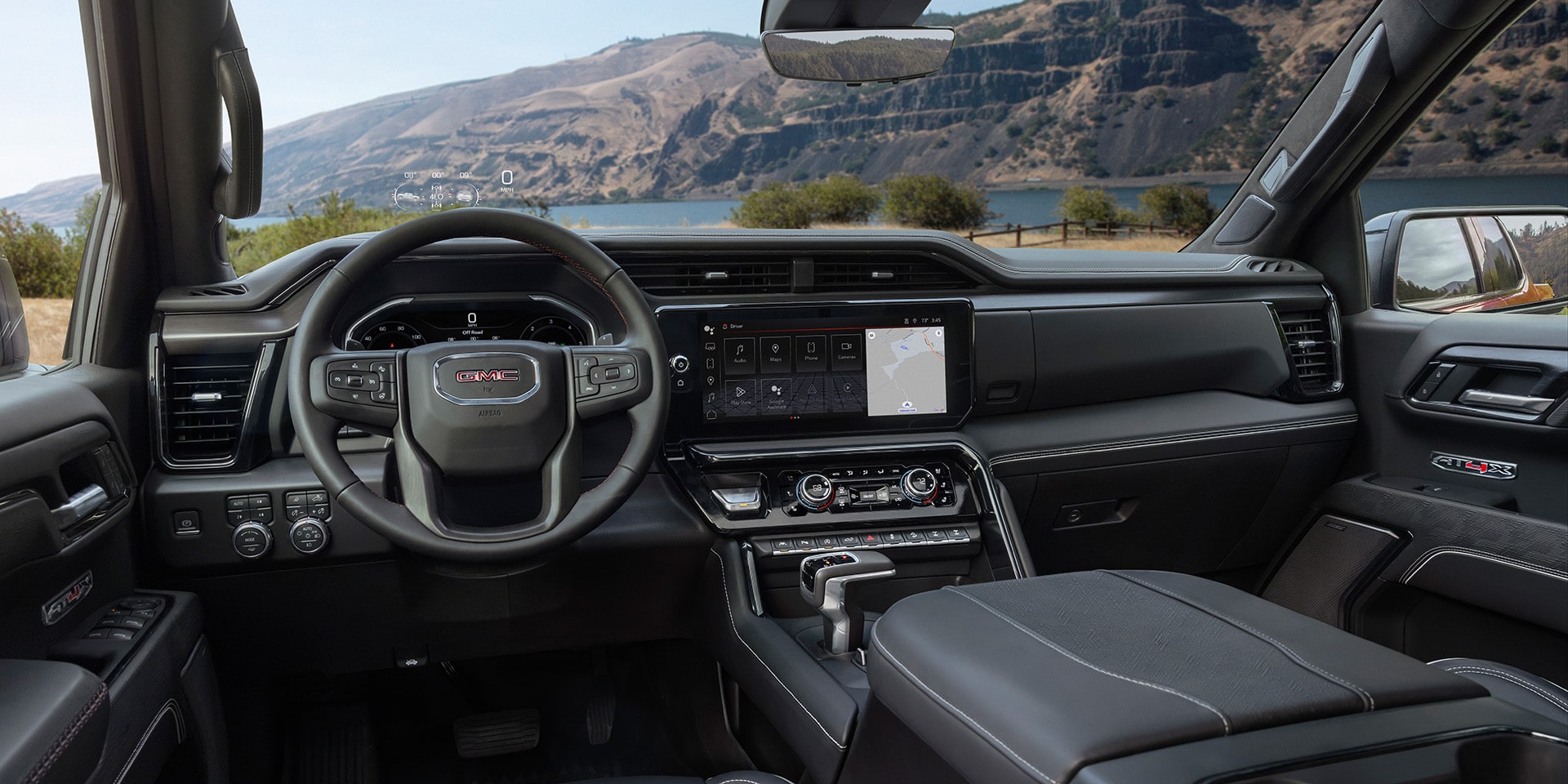
Appraisers treat persistent interior odors as serious reconditioning defects rather than minor cosmetic flaws because embedded smells alter fabric structures and climate control components. While surface dust wipes away in minutes, lingering smoke or pet odors require chemical extraction, air duct cleaning, or component replacement before a vehicle is retail-ready.
Standard wholesale condition guidelines require a cabin to be completely free of cuts, burns, heavy stains, and offensive scents to qualify for top-tier valuation tiers. Nicotine tar and pet dander do not remain on upholstery surfaces; they travel through the HVAC intake and settle into the headliner, A-pillar trim, seat foam, and cargo carpeting. Appraisers look closely at these hidden areas during the physical evaluation:
- Headliners and A-pillar trim panels that absorb rising tobacco smoke and turn yellow.
- HVAC evaporator coils and cabin air filter housings that trap airborne organic particles.
- Under-seat carpeting and floor seam channels where pet hair mats into underlying foam.
- Leather perforations and seat bolster stitching that hold moisture and bacteria.
For drivers taking weekend trips to outdoor spots near Arcadia Lake in Edmond, bringing dogs along can cause pet hair to weave into rear cargo fibers. Over time, this buildup transitions a vehicle's appraised condition grade from good down to fair. Because reversing deep interior contamination demands specialized labor and commercial chemical treatments, appraisers deduct these reconditioning expenses directly from trade-in offers.
What Does a Resale-Focused Interior Detailing Package Include?


A resale-focused interior detailing package targets hard-to-reach cabin contamination through deep thermal vacuuming, upholstery steam shampooing, pet hair mechanical extraction, plastic surface decontamination, and specialized odor-neutralizing treatments. Unlike standard car washes, pre-sale detailing concentrates on eliminating deep-seated organic compounds and nicotine tar from high-absorbency textiles.
Professional reconditioning services utilize high-temperature steam extractors to break down oily nicotine film trapped on window glass and vinyl trim panels. Detailers apply targeted enzyme cleaners to organic stains before shampooing seat cushions to pull trapped liquid away from underlying seat padding. Pet hair removal requires specialized rubberized brushes, compressed air tools, and static-friction agitation to dislodge stubborn fur from dense cargo liners.
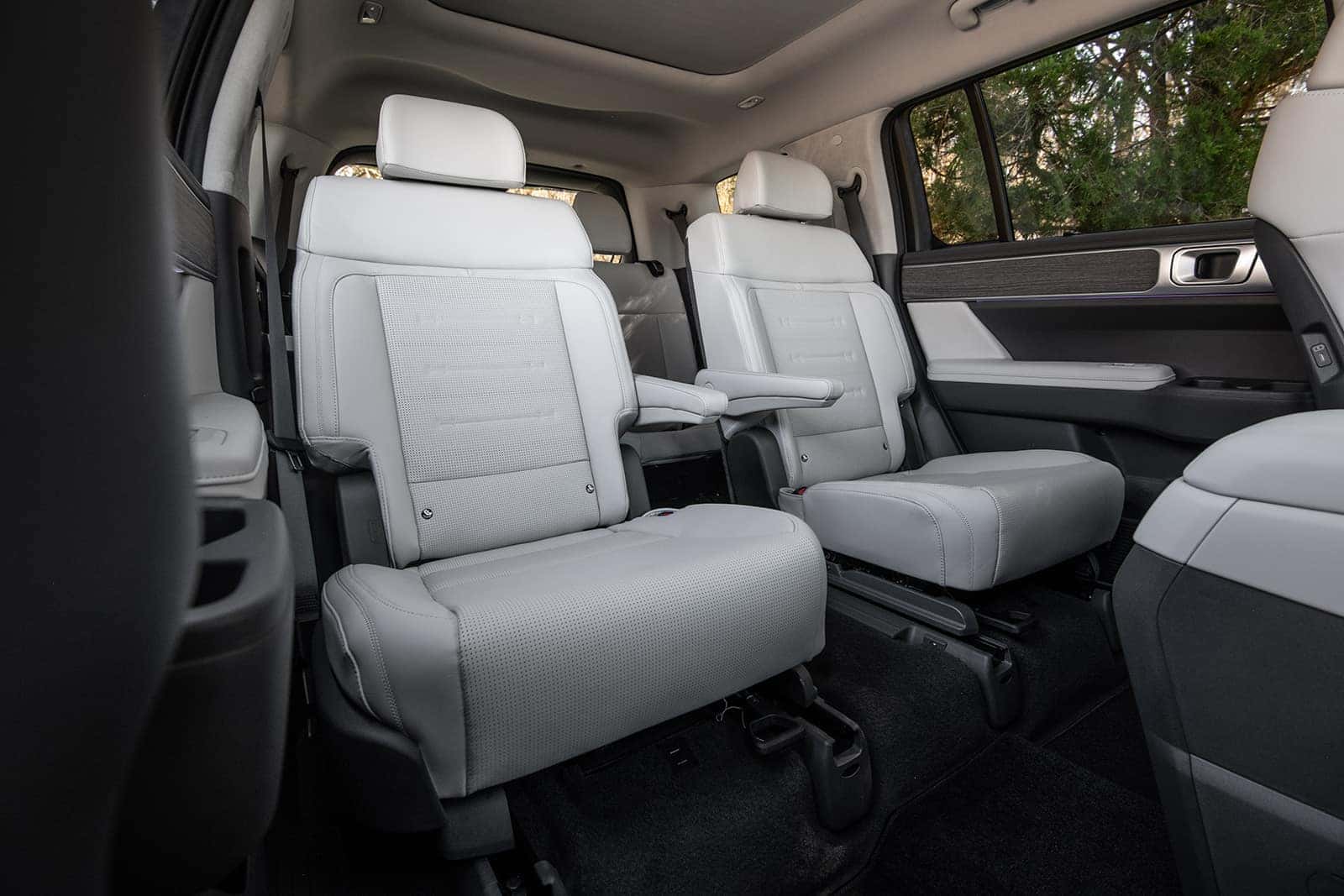
The final phase of a resale detail addresses air quality throughout the ventilation system. Technicians replace the cabin air filter, spray disinfectant through the intake ductwork, and run an ozone treatment or hydroxyl generator inside the sealed cabin for up to two hours. Professional ozone treatment services generally cost $50 to $150 when performed independently, which explains why appraisers include these amounts as reconditioning deductions when evaluating contaminated trade-in vehicles.
What DIY Steps Can Reduce Smoke and Pet Odors Before an Appraisal?


Vehicle owners can lower cabin odor levels prior to an appraisal by vacuuming seat crevices, wiping hard surfaces with vinegar-based solutions, replacing the cabin air filter, and spreading baking soda across carpet fibers before extraction. Removing the physical source of the odor first ensures that secondary neutralizing steps effectively cut down lingering smells rather than just temporarily masking them.
A systematic DIY interior cleanup requires addressing surfaces in logical order:
- Remove all floor mats, seat covers, trunk liners, and personal belongings to isolate fabric surfaces.
- Vacuum seat crevices, under-seat rails, and cargo areas using a narrow crevice tool and stiff carpet brush.
- Wipe down the dashboard, instrument panel, steering wheel, door cards, and inner glass with a microfiber cloth dampened with a mild vinegar solution.
- Install a fresh cabin air filter to prevent old odors trapped in the housing from recirculating during the appraisal road test.
- Dust carpets and fabric seats with baking soda, leave it to absorb ambient moisture overnight, and vacuum thoroughly.
Car owners commuting around Yukon who frequently travel near Chisholm Trail Park often haul athletic gear or family pets, leading to subtle scent buildup in the rear seating rows. Taking time to deep-clean soft fabrics before an appraisal prevents appraisers from flagging minor smells as major reconditioning issues. Avoiding scented air freshener hanging tags right before an appraisal is equally critical, as heavy perfumes signal to appraisers that an underlying odor is being disguised.
What Routine Habits Prevent Interior Odor Problems That Hurt Appraisal Value?

Consistent habits such as prohibiting smoking inside the vehicle, utilizing protective cargo liners for pets, replacing cabin air filters every 12,000 miles, and immediate cleanup of liquid spills preserve cabin freshness and prevent resale value deductions. Establishing these practices stops organic materials and nicotine residue from bonding with soft interior upholstery over time.
Enforcing a strict smoke-free cabin policy is the single most effective way to protect a vehicle's trade-in value. Smoke particles drift upwards into the headliner material, creating a sticky residue that is nearly impossible to completely remove without replacing entire interior trim panels. For pet owners, placing heavy-duty rubber floor mats and fitted waterproof seat covers over rear upholstery creates an impermeable barrier against pet hair, dander, and moisture.


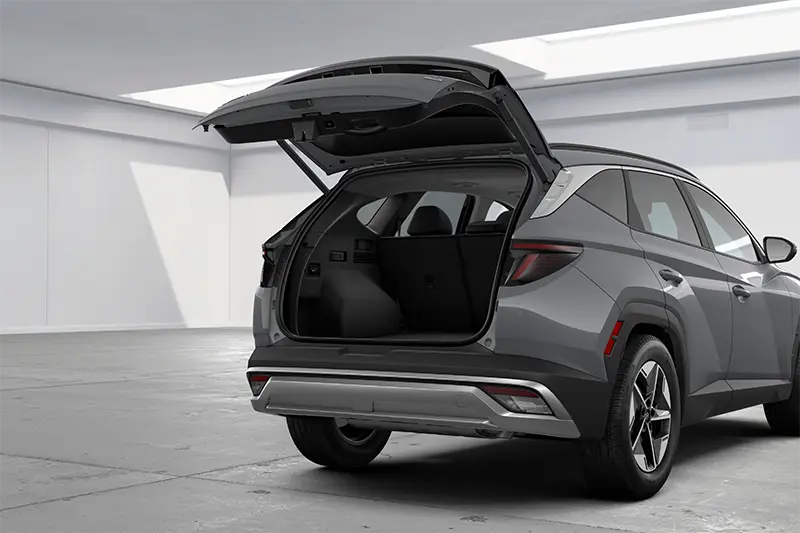
Promptly addressing food spills and wet gear prevents mold and mildew spores from taking root in carpet padding. Cracking windows open in a dry garage after driving in humid weather allows cabin moisture to evaporate naturally. By treating cabin care as an ongoing preservation habit rather than a last-minute scramble, car owners maintain excellent interior condition scores and lock in maximum trade-in offers when upgrading their vehicle.
Frequently Asked Questions About Vehicle Interior Odors and Appraisals
Can a dealership decline a trade-in offer because of extreme smoke odor?
Dealerships reserve the right to decline trade-in offers on vehicles with severe smoke contamination that renders them unmarketable. When smoke residue permeates headliners, plastic trim, and climate control ducts, reconditioning costs can exceed the vehicle's potential retail profit margin. In such cases, appraisers must price the trade-in at a lower auction tier or decline acquisition altogether.
Does changing the cabin air filter help reduce trade-in appraisal deductions?
Replacing a dirty cabin air filter removes trapped dust, pollen, and odor particles from the ventilation intake before the appraiser turns on the A/C system. While a filter swap alone does not eliminate embedded seat odor, it prevents stale air from blowing through the cabin during the diagnostic road test. It represents an inexpensive DIY maintenance step that supports a clean evaluation report.
Why do masking sprays and air fresheners fail during a trade-in appraisal?
Appraisers inspect hundreds of vehicles and easily recognize heavy perfume sprays used to cover up underlying scents. Masking products merely float in ambient air without removing nicotine film or pet dander trapped inside seat foam. When an appraiser smells intense air fresheners, they inspect seat seams and headliners more closely for hidden reconditioning issues.
How does pet hair in cargo liners impact overall trade-in valuation?
Pet hair embedded in cargo liners requires specialized labor and tools to extract, directly adding to the vehicle's reconditioning estimate. If fur is accompanied by pet scents or fabric wear, appraisers deduct $150 to $300 to account for professional detail time. Cleaning cargo areas prior to your evaluation protects your vehicle's condition rating.
Is ozone machine treatment worth the investment before bringing a car for appraisal?
Investing in professional ozone treatment is worthwhile when severe odor threatens to drop a vehicle's condition category from good down to fair. Because severe smoke odors can reduce trade-in offers by 10% to 15%, spending $50 to $150 on deep odor remediation often yields a higher overall return at appraisal. Drivers can contact our Edmond appraisal location or speak to our valuation team by calling (405) 242-6142 for guidance before scheduling an inspection.
Maximize Your Vehicle's Appraisal Offer at Sell Your Car to Cooper



Taking proactive steps to clean soft fabrics, remove pet hair, and eliminate interior odors before an appraisal protects your vehicle's trade-in value. By addressing visible stains and cabin air quality ahead of time, vehicle owners avoid costly reconditioning deductions and present their car in retail-ready condition.
Our buying team at Sell Your Car to Cooper makes evaluating your car straightforward and transparent. We provide clear, itemized appraisal breakdowns so you understand exactly how your vehicle's condition factors into our cash offer. When you are ready to sell or trade in your car, submit your vehicle details online or bring your vehicle directly to our dealership for a hassle-free appraisal experience.
Disclaimer: The information provided on this page is for general educational purposes only and does not constitute formal legal, financial, or tax advice. Oklahoma vehicle registration laws, administrative tag agency fees, and statutory title requirements are subject to change by state regulatory authorities; please consult Service Oklahoma or a licensed tag agency for official determinations. All final cash offers and trade-in valuations are determined upon physical vehicle inspection, verification of clear title history, and current wholesale market conditions, and any stated deduction ranges are for illustrative purposes only. Insurance claim settlements, total loss thresholds, and retained-salvage terms vary by individual insurance provider and policy contract.
© 2026 Sell Your Car to Cooper. All rights reserved.