


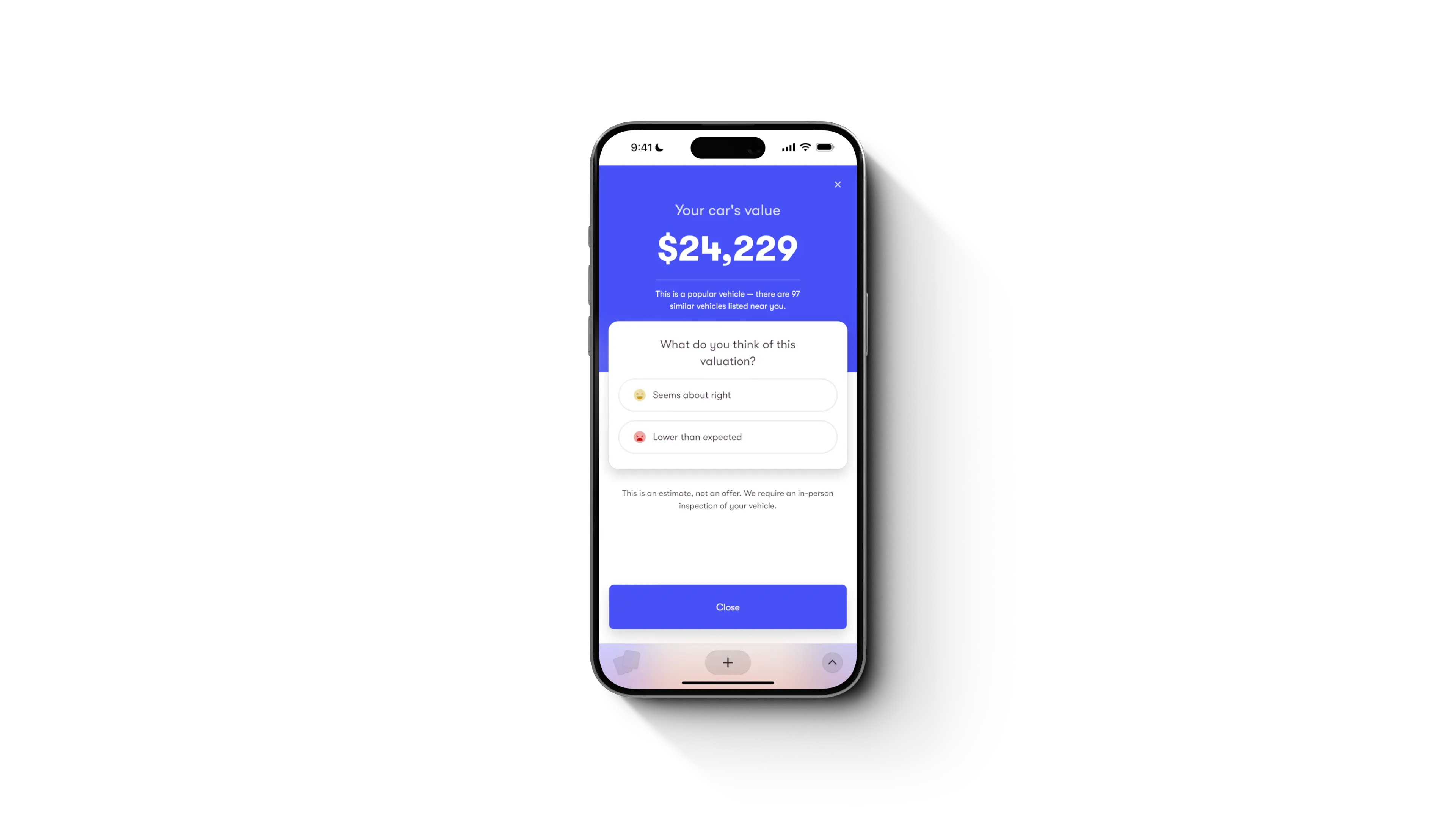
Online valuation tools provide a generalized baseline, but they cannot execute a financial transaction. Platforms like Kelley Blue Book calculate regional averages using historical sales data, creating a distinct gap between a theoretical book value and a real-world cash offer. While a book value represents an estimated statistical midpoint, a physical appraisal accounts for immediate wholesale market conditions and localized demand.
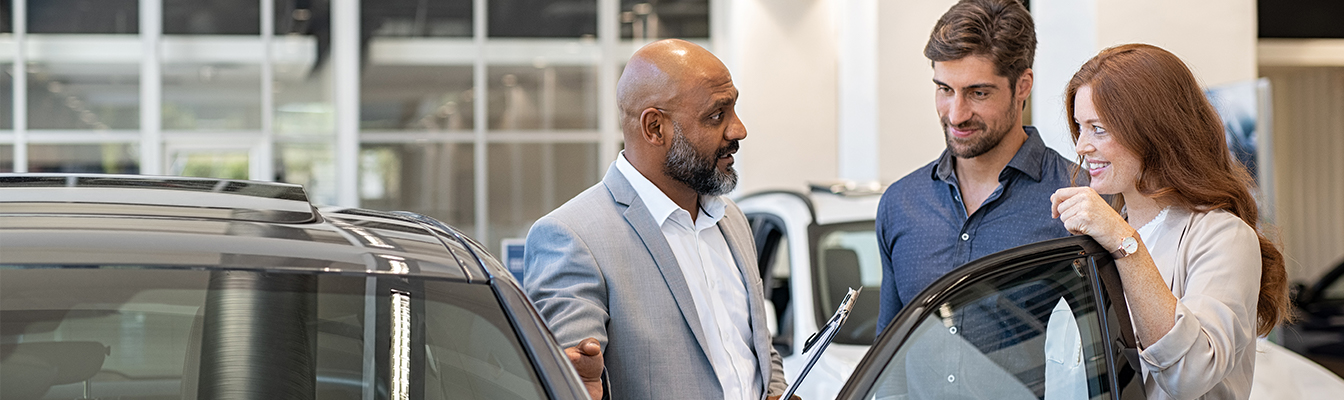
Dealerships determine actual cash value by analyzing live transactional databases, such as the Manheim Market Report, which tracks actual dealer-only auction results. If a specific model is overrepresented on local lots or slow-selling in the region, the real-world trade-in offer will adjust downward to reflect wholesale liquidation costs. Conversely, highly sought-after vehicles with low local supply can command trade-in values that closely approach retail figures.


For Edmond drivers navigating daily traffic on Kelley Avenue, local market factors play a major role in how those numbers shake out. To get an accurate assessment of what a vehicle is worth in today's market, visiting our physical location at 14349 N Kelley Ave or giving our team a quick call at (405) 242-6142 provides a direct, real-time valuation that online calculators simply cannot replicate.
Table of Contents
- Inside the In-Person Dealership Appraisal Process
- How Prior Incidents and Minor Accidents Affect Trade-In Value
- Matching Online Offers and Preparing Your Vehicle for Inspection
- Strategic Negotiation Tactics for Trade-Ins and New Purchases
- Common Questions About the Car Appraisal Process
- Take the Next Step with Sell Your Car to Cooper
- Inside the In-Person Dealership Appraisal Process
- How Prior Incidents and Minor Accidents Affect Trade-In Value
- Matching Online Offers and Preparing Your Vehicle for Inspection
- Strategic Negotiation Tactics for Trade-Ins and New Purchases
- Common Questions About the Car Appraisal Process
- Take the Next Step with Sell Your Car to Cooper
Inside the In-Person Dealership Appraisal Process
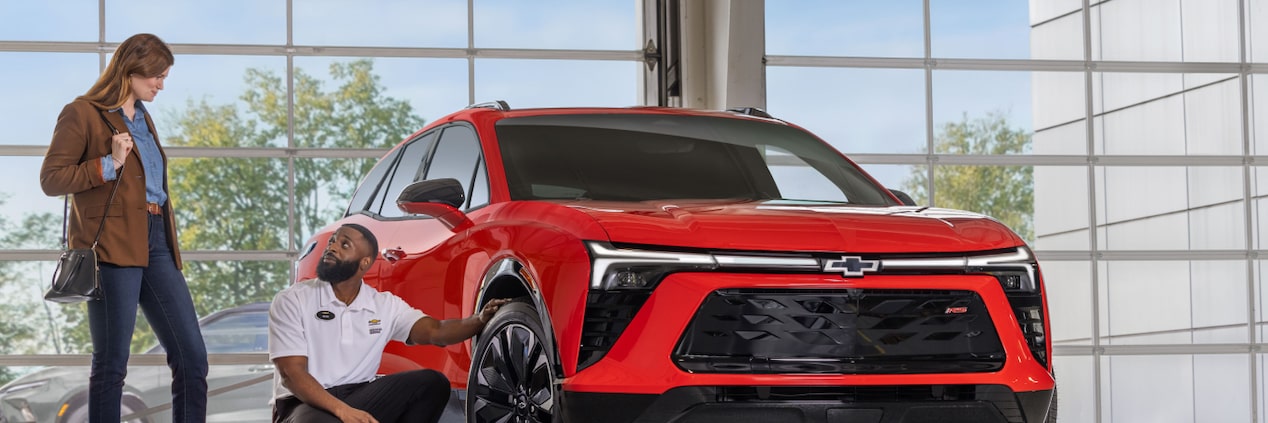
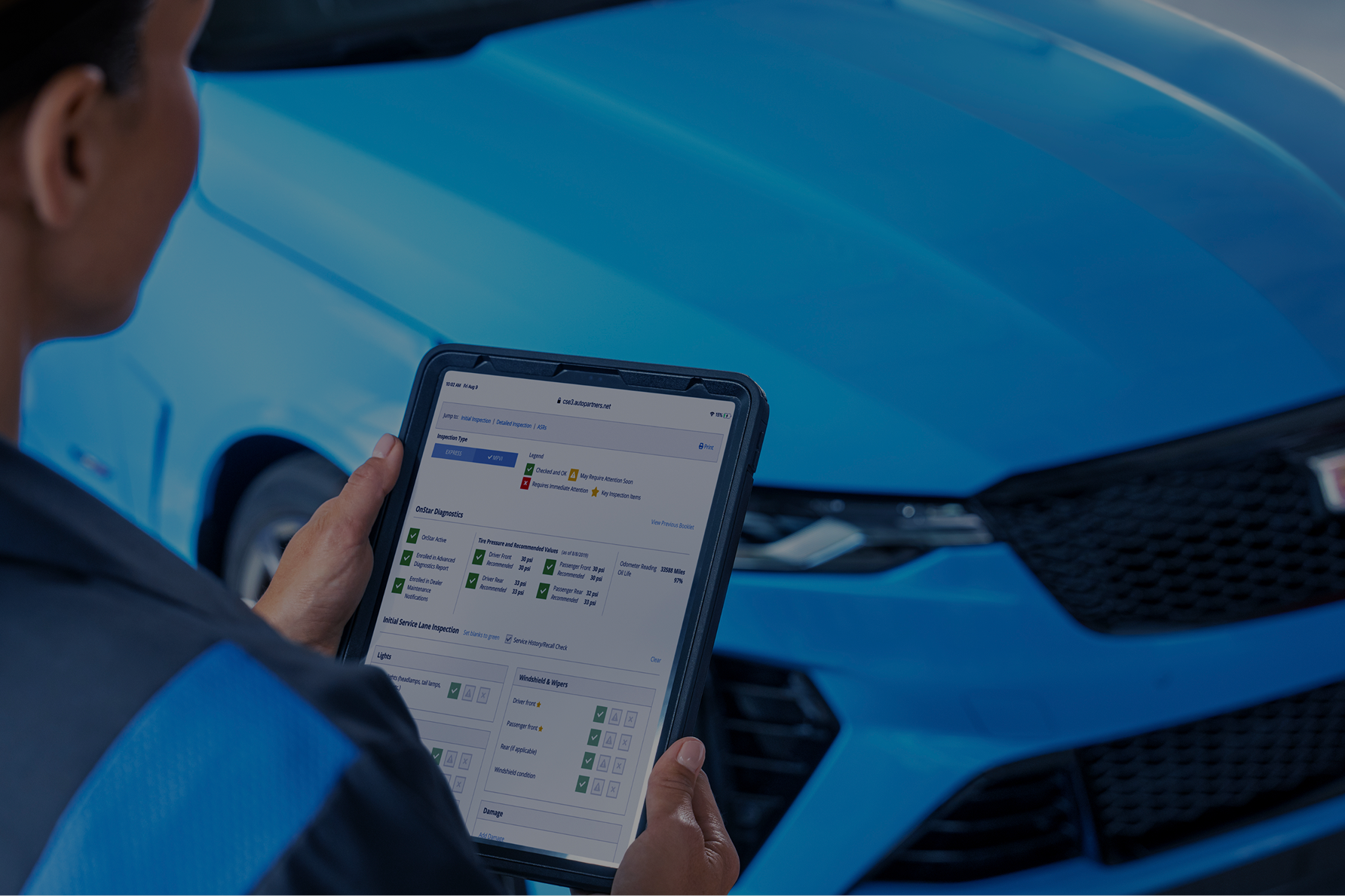
An in-person appraisal follows a structured, multi-step inspection protocol designed to verify the vehicle's exact configuration and physical state. The process begins with the appraiser documenting the Vehicle Identification Number and odometer reading to pull a comprehensive vehicle history report. This report reveals critical background details, including the number of previous owners, registration history, and any reported insurance claims.
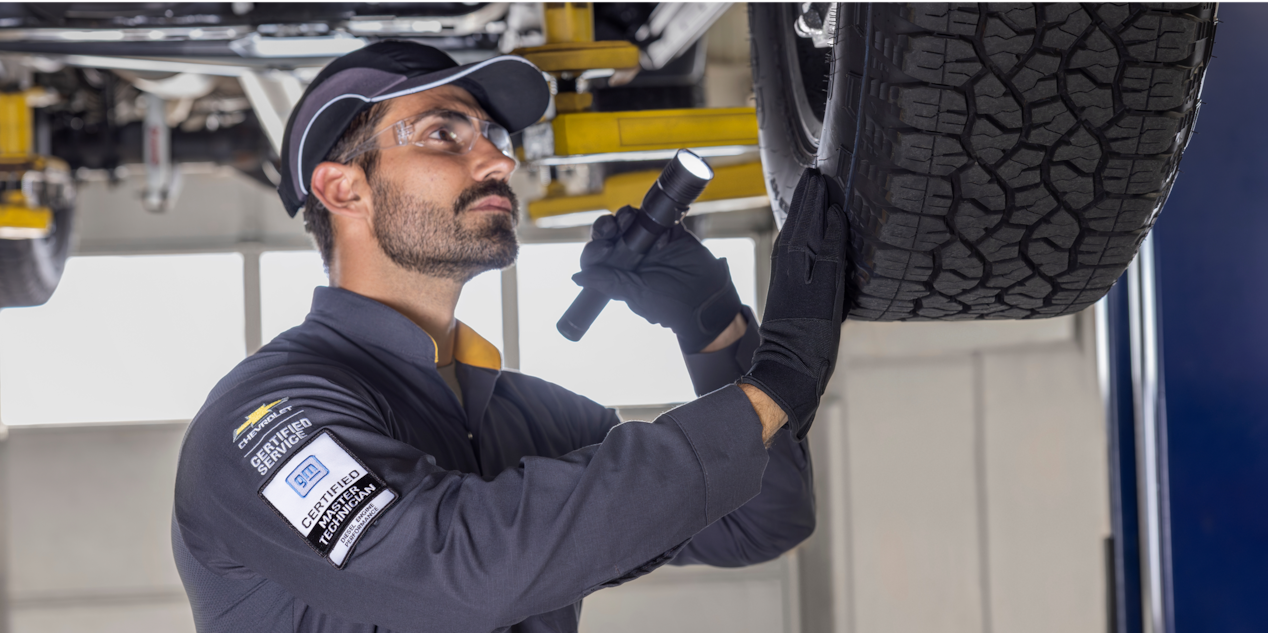
Following the paperwork check, the appraiser performs a detailed walk-around to grade the exterior and interior condition. This step involves measuring tire tread depth, checking body panels for dents or paint mismatches, and inspecting the cabin for wear, tears, or odors. Every factory option is itemized during this phase, as premium packages like leather upholstery, a panoramic sunroof, or advanced blind-spot monitoring directly increase the vehicle's wholesale desirability.
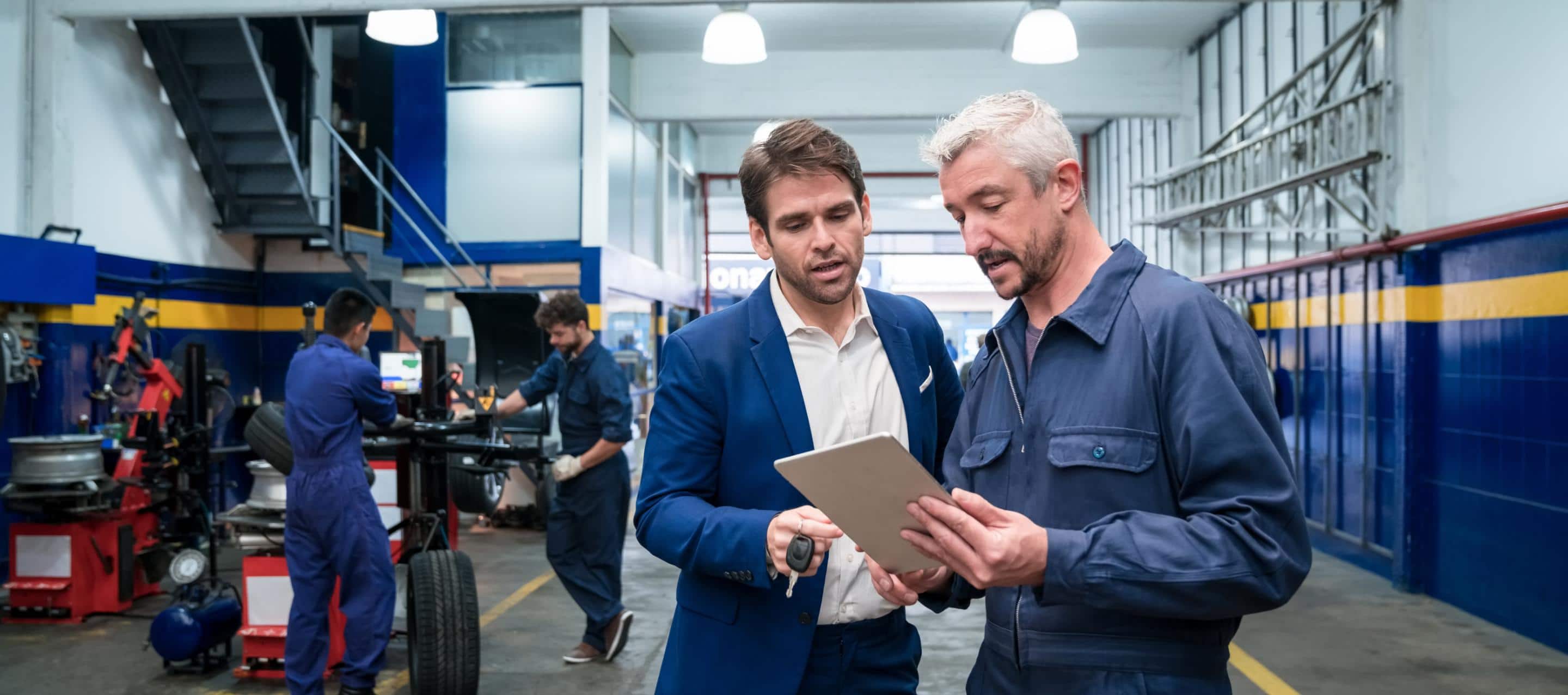
A mechanical evaluation and a short test drive complete the physical assessment. The appraiser drives the vehicle to evaluate engine performance, transmission shifts, steering alignment, and suspension noise. Any necessary reconditioning costs—such as replacing worn brake pads, mounting new tires, or repairing cosmetic scratches—are calculated and subtracted from the wholesale starting point to arrive at the final trade-in offer.
How Prior Incidents and Minor Accidents Affect Trade-In Value
A clean vehicle history report is one of the strongest assets a trade-in can have, while a history of past damage introduces immediate financial adjustments. Even when a vehicle has been repaired with factory-spec parts and looks identical to a damage-free counterpart, a reported accident creates what the automotive industry calls diminished value. Buyers are naturally risk-averse, meaning a vehicle with an accident record is harder for a dealership to retail.

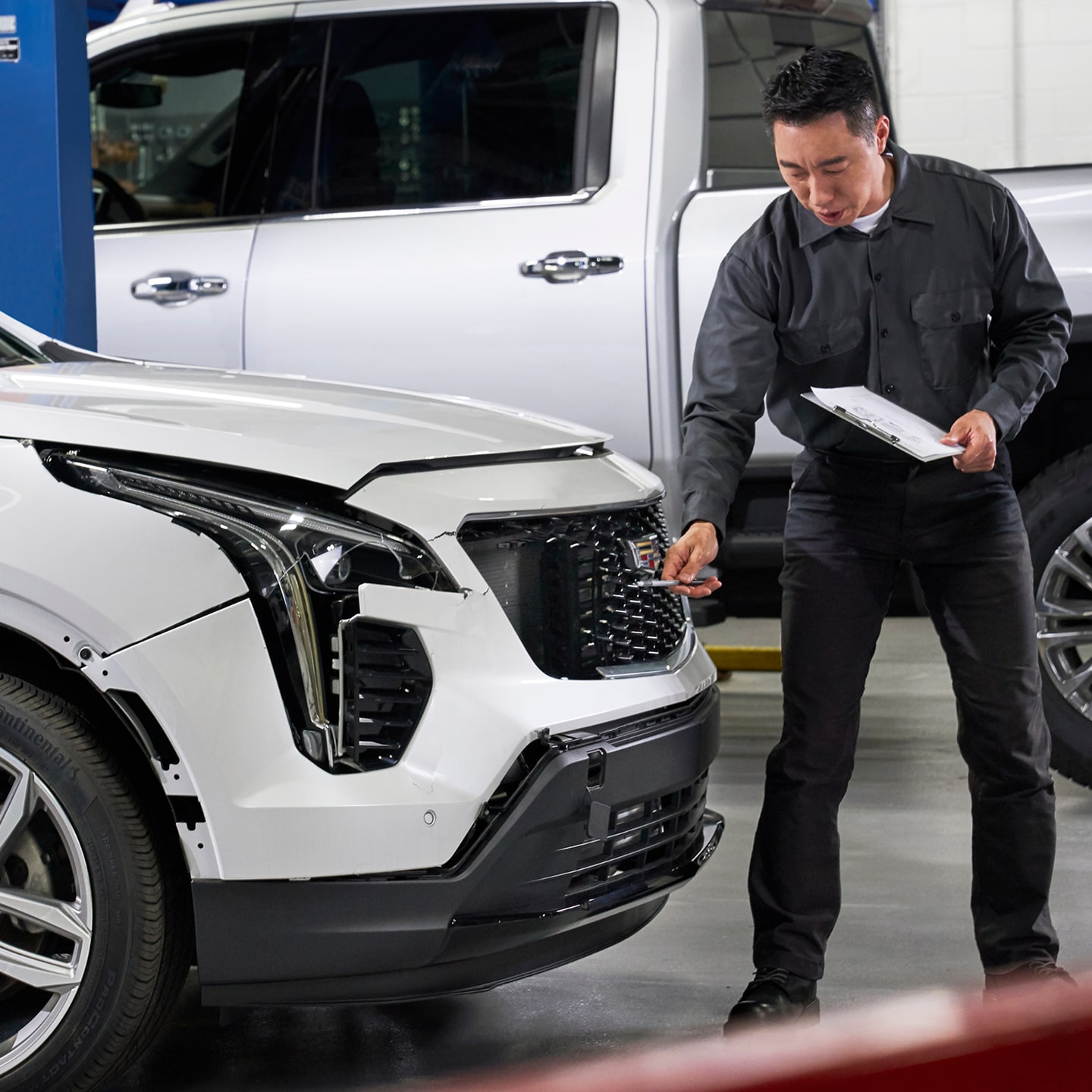
The financial impact of a single minor accident typically ranges from a 10% to 30% reduction in trade-in value compared to an identical vehicle with a spotless record. A minor fender-bender that required only cosmetic bumper replacement sits on the lower end of this scale, while incidents involving airbag deployment or structural frame damage sit on the high end. If a vehicle carries a branded title, such as salvage or rebuilt status, the appraisal value can drop by half or more because many lenders will not finance these vehicles for future buyers.
During a trade-in evaluation, appraisers use specialized paint-meter tools to detect hidden body filler and non-factory paintwork that might not appear on a history report. Disclosing known past repairs early in the conversation helps build trust and allows the appraiser to verify the quality of the work. High-quality, documented repairs using original equipment manufacturer parts help preserve as much residual value as possible.
Matching Online Offers and Preparing Your Vehicle for Inspection



Many car owners wonder if a local dealership will honor or match a written appraisal from a national online car retailer. The reality is that competitive dealerships are highly motivated to acquire quality used inventory directly from the public and will frequently match or even exceed a verified, active seven-day offer. Bringing a physical copy of a written offer gives the appraiser a concrete benchmark to work with during the evaluation.
Preparing a vehicle before the appraisal can positively influence the appraiser's initial impression and support a stronger valuation. While paying hundreds of dollars for a high-end professional detailing job rarely yields a positive return on investment, basic preparation is highly recommended. Presenting a clean, washed exterior and a vacuumed cabin suggests to the appraiser that the vehicle was well-maintained by its previous owner.
Before arriving at the dealership, sellers should gather all necessary documentation and physical items associated with the vehicle, including:
-
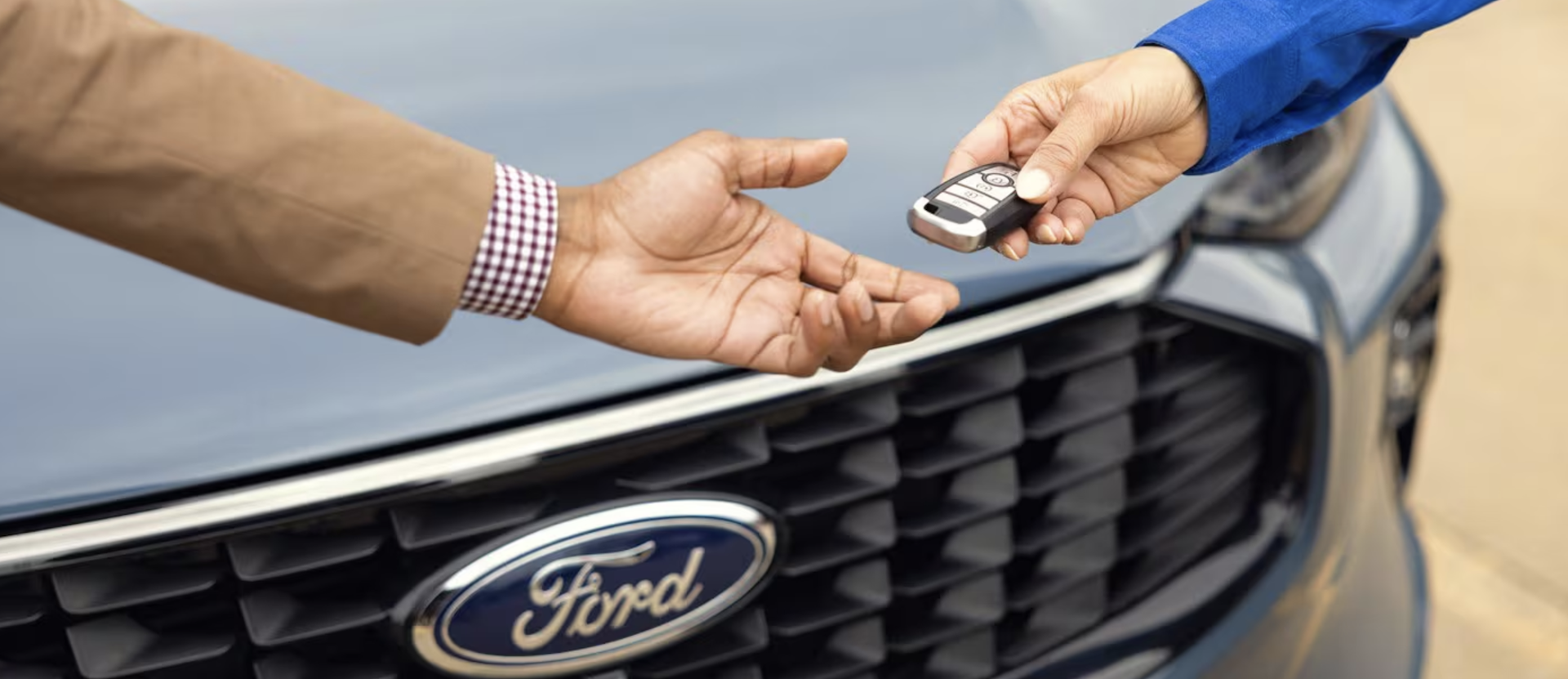
Both sets of original keys or key fobs
-
The vehicle's owner's manuals
-
The current vehicle registration
-
The physical certificate of title OR the 10-day payoff information from the current lender
Strategic Negotiation Tactics for Trade-Ins and New Purchases

Negotiating a vehicle purchase while trading in an old car requires keeping the transactional components strictly separated. A common pitfall is discussing the target monthly payment too early in the conversation, which allows multiple variables to be shifted simultaneously. When negotiations focus solely on a monthly figure, adjustments to the new car's purchase price, the trade-in value, and the loan term can occur behind the scenes without lowering the actual cost of the acquisition.
To maintain complete transparency, buyers should negotiate the purchase price of the new vehicle first, securing a firm out-of-the-door figure before introducing the trade-in. Once the transaction price of the replacement vehicle is established, the trade-in can be evaluated as a separate, clean transaction. This sequence ensures that a generous trade-in offer is not secretly offset by a higher purchase price on the new vehicle, or vice versa.



Keeping independent notes and tracking the math throughout the process prevents unexpected surprises when signing the final paperwork. A trade-in provides a significant tax benefit in many jurisdictions because sales tax is only applied to the difference between the purchase price and the trade-in allowance. Understanding this calculation helps buyers accurately compare a dealer's trade-in offer against the potential return—and added hassle—of selling the vehicle to a private party.
Common Questions About the Car Appraisal Process
Q: How do dealerships handle a trade-in with an outstanding loan balance?
The dealership contacts the current lender to obtain an official 10-day payoff quote for the outstanding lien. If the vehicle's trade-in value exceeds the loan balance, the remaining positive equity is applied directly as a down payment toward the new vehicle. If the equity is negative, the remaining balance must either be paid in cash or rolled into the financing package of the replacement vehicle.
Q: Will aftermarket modifications increase the appraisal value of my car?
Custom modifications such as aftermarket wheels, suspension lifts, or upgraded exhaust systems rarely add value during a dealer appraisal and can sometimes lower the offer. Dealerships prefer vehicles in their original factory configuration because highly customized cars appeal to a much narrower pool of retail buyers. Returning the vehicle to stock before the appraisal is often the best way to maximize its value.
Q: How long is a dealership's physical appraisal offer valid?
Most physical appraisal offers are guaranteed for 7 days or a specific mileage limit, typically around 300 miles. Because wholesale market values and auction data fluctuate constantly, offers must be updated if those thresholds are exceeded. If a seller delays finalizing the deal, the appraiser will need to run a quick secondary check to verify that the market conditions have not shifted.
Q: Does having a second set of keys actually affect the trade-in offer?
Yes, missing keys can result in a direct deduction from the appraisal value. Modern smart keys and key fobs are highly sophisticated electronic components that often cost between $200 and $500 to replace and program. Providing both original keys prevents the dealership from deducting those replacement costs from the trade-in offer.
Q: Why do appraisers pay close attention to tire wear?
Tires are one of the most immediate reconditioning expenses a dealership faces when preparing a trade-in for the retail lot. If the tire tread depth is below acceptable safety standards, the dealership must budget for a full replacement set. This expense is factored directly into the reconditioning deduction, meaning a car with brand-new tires will naturally command a stronger trade-in offer.
Take the Next Step with Sell Your Car to Cooper



Securing a fair, transparent value for a current vehicle is the fastest way to transition into a new ride with complete confidence. Our team focuses on providing straightforward, data-driven offers based on real-time local market conditions rather than generalized national averages. We handle all the paperwork, lender payoffs, and title transfers directly, turning what is often a stressful process into a seamless, single-day transaction.
To get a precise cash offer for your vehicle, visit our showroom located at 14349 N Kelley Ave today. If you prefer to speak with an appraiser before driving in, you can reach our team by calling (405) 242-6142 to discuss your vehicle's details.
© 2026 Sell Your Car to Cooper. All rights reserved.