


Under current federal law, it is legal for private sellers and independent automotive businesses to sell a used vehicle with an open safety recall because federal recall sales bans apply exclusively to new vehicle retail transactions. While federal regulations do not prohibit transferring ownership of a used automobile with outstanding safety notices, state-level consumer protection statutes and fair-trading practices mean disclosing active defect campaigns or resolving them before transfer is essential. Resolving these notices ensures the vehicle meets baseline operating safety standards for the next owner.
Federal guidelines enforced by safety regulators mandate that vehicle manufacturers cover all costs associated with fixing identified safety defects. When a vehicle leaves the assembly line with a component flaw, the vehicle manufacturer bears full financial responsibility for designing a remedy, supplying replacement parts, and compensating certified technicians to perform the fix. For owners preparing to sell, taking advantage of these free factory campaigns ensures critical components like seat belt pretensioners, steering linkages, and braking modules function exactly as engineered.

Selling a car without addressing an active safety campaign can complicate negotiations and create potential civil liability if an undisclosed defect leads to a mechanical failure after the sale. Prospective buyers frequently run online history checks and may request that open defects be corrected before finalizing any agreement. Addressing outstanding campaigns promptly prevents unnecessary transaction delays and preserves the vehicle's functional condition.
If you have questions about checking your vehicle's safety record or scheduling service before a sale, contact our service center on N Kelley Ave or give our service advisors a call directly at (405) 242-6142 to review your options.
Table of Contents
- What Does Federal Law Say About Selling Used Vehicles with Open Recalls?
- How Do NHTSA VIN Databases and Recall Lookup Systems Work?
- Should You Complete Recall Repairs at a Service Center Before Selling?
- What Are the Legal and Registration Impacts of Selling a Vehicle with an Open Recall?
- Common Questions About Vehicle Safety Recalls and Maintenance
- Protect Your Resale Value by Scheduling Free Recall Service in Edmond
- What Does Federal Law Say About Selling Used Vehicles with Open Recalls?
- How Do NHTSA VIN Databases and Recall Lookup Systems Work?
- Should You Complete Recall Repairs at a Service Center Before Selling?
- What Are the Legal and Registration Impacts of Selling a Vehicle with an Open Recall?
- Common Questions About Vehicle Safety Recalls and Maintenance
- Protect Your Resale Value by Scheduling Free Recall Service in Edmond
What Does Federal Law Say About Selling Used Vehicles with Open Recalls?
Federal law under Title 49 of the United States Code prohibits franchised dealerships from selling or leasing new vehicles containing open safety recalls. Still, it places no sweeping federal prohibition on the resale of used vehicles by private individuals or independent sellers. Federal safety standards mandate that once a safety recall campaign is initiated, manufacturers must provide a free remedy for up to 15 years from the vehicle's original purchase date. While federal oversight strictly governs new car inventory and commercial rental fleets, used vehicle transfers remain primarily subject to individual state commercial codes and consumer protection guidelines.
Under federal regulations, fleet operators such as rental car companies face strict statutory prohibitions against renting or selling vehicles with unaddressed safety recalls until the authorized remedy has been completed. In contrast, lawmakers have periodically introduced legislation, such as proposed federal used vehicle safety acts, aimed at extending mandatory stop-sale rules to all pre-owned commercial vehicle sales. As of current regulations, however, pre-owned vehicles without completed recall work can still be legally bought and sold across most state lines unless specific local mandates intervene.
Even though federal law permits used car sales with open recalls, manufacturers and regulatory agencies mandate clear procedural steps once a defect is recognized:
- Manufacturer Notification: Vehicle makers must notify registered owners by first-class mail within 60 days of establishing a safety recall decision.
- Service Bulletin Distribution: Manufacturers issue technical bulletins to authorized service departments detailing precise diagnostic steps and replacement procedures.
- Free Remedy Provision: Franchised service departments must perform recall remedies at zero cost to the owner, covering all necessary replacement components, diagnostic work, and labor hours.
- Commercial Fleet Compliance: Rental agencies must ground recalled vehicles immediately and complete factory repairs before releasing them back into service or transferring them to secondary markets.
While federal rules grant latitude to pre-owned sales, transferring a vehicle with active safety notices shifts the burden of coordinating factory service onto the next owner. Having certified technicians address these campaigns beforehand preserves overall vehicle reliability and protects long-term mechanical integrity.
How Do NHTSA VIN Databases and Recall Lookup Systems Work?

National recall lookup systems function by cross-referencing a vehicle's unique 17-character VIN against official manufacturer database registries maintained under federal oversight. When a manufacturer identifies a mechanical flaw or software glitch that violates federal safety standards, every affected Vehicle Identification Number is uploaded into the central database managed by federal transportation authorities. Searching this system allows owners, service technicians, and prospective buyers to verify whether a specific vehicle has unresolved safety campaigns requiring technician attention.
To check a vehicle's campaign status, you must locate the vehicle identification number printed on the driver's side lower windshield corner, stamped onto the driver-side door pillar jamb, or printed on state registration papers. Entering this identifier into an official lookup tool queries current manufacturer data records to generate an immediate status report.
Official safety lookup systems provide specific data visibility while maintaining explicit operational boundaries:
- What Is Displayed: The system alerts users to active, unrepaired safety recall campaigns issued by major automotive manufacturers over the past 15 calendar years.
- What Is Omitted: Completed repairs, safety campaigns older than 15 years, regional customer satisfaction campaigns, and non-safety technical service bulletins do not appear in safety lookup results.
- Database Processing Time: When our service technicians finish a campaign repair and submit the completed work order, database records typically take anywhere from several business days to a few weeks to refresh online.
- VIN Population Delays: On newly announced campaigns, manufacturers upload affected identification numbers in batches, meaning recent notices may take time to populate completely.
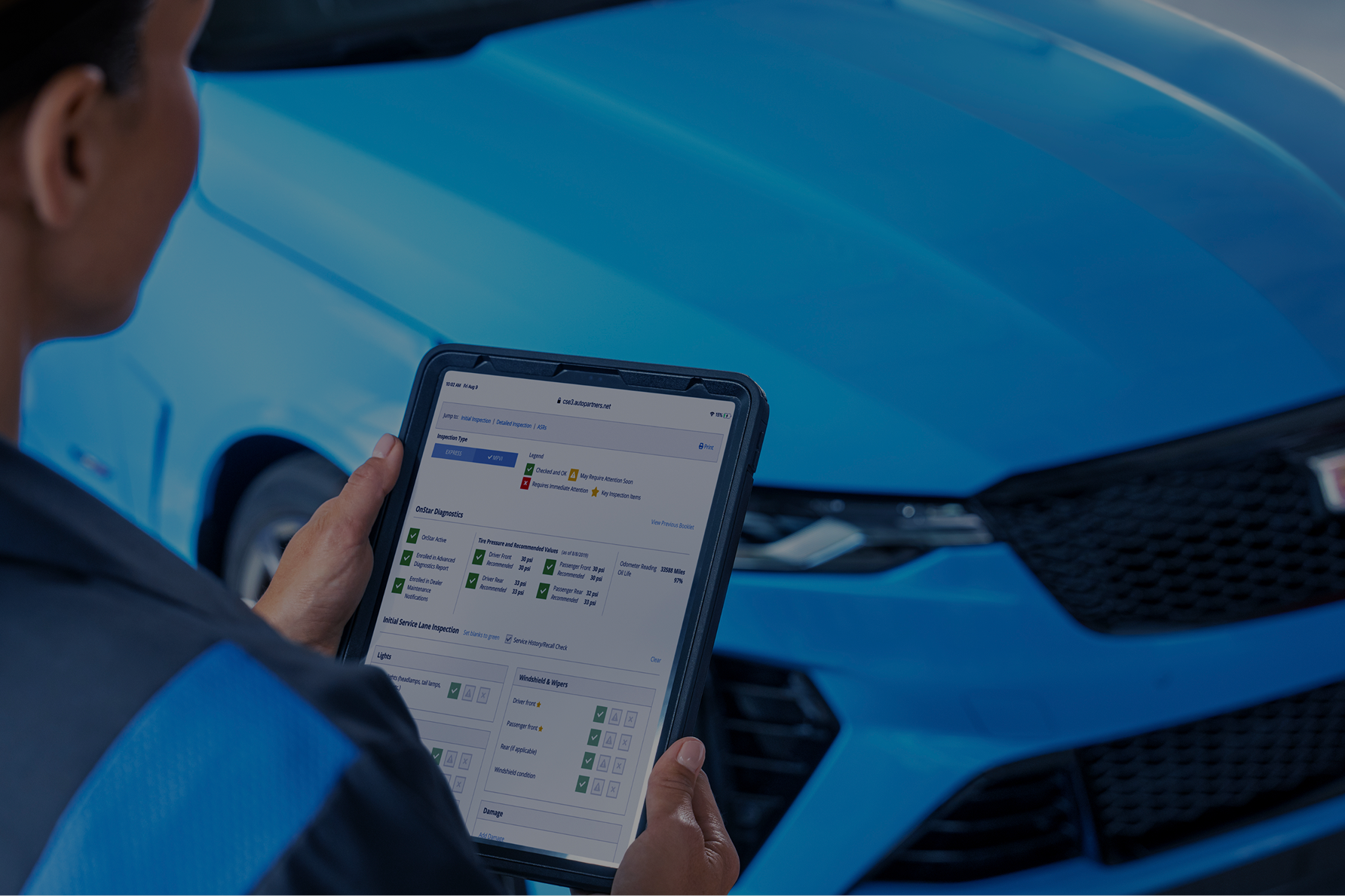
When owners bring a vehicle into our service bay asking how quickly a campaign update reflects online, we explain that while our technicians file completion records immediately, central system indexing causes a brief administrative lag. Checking your vehicle identification number twice a year ensures you stay informed of newly released safety updates before minor component issues lead to unexpected service visits.
Should You Complete Recall Repairs at a Service Center Before Selling?

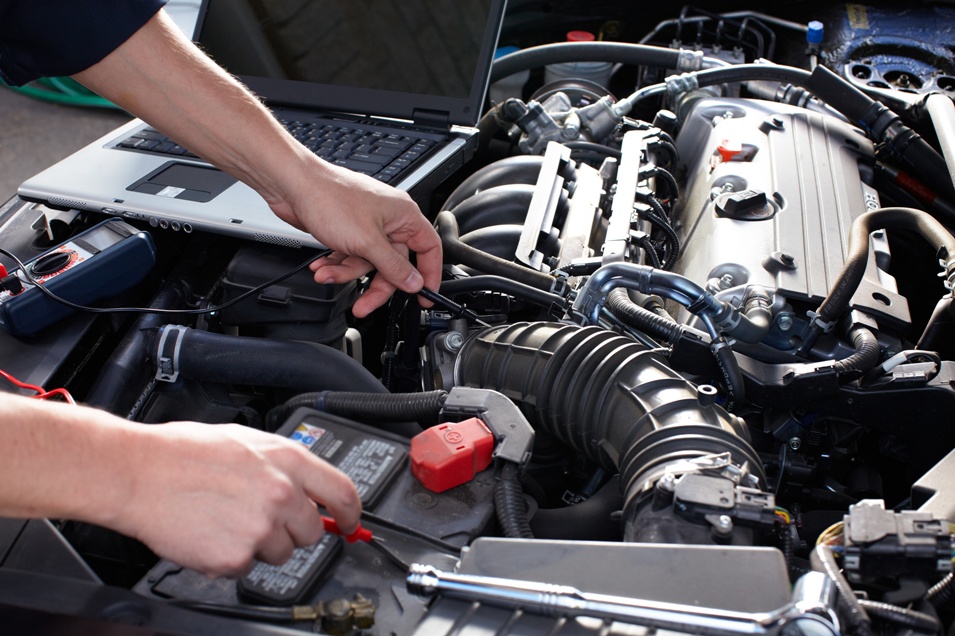
Completing outstanding recall repairs before placing a vehicle on the market eliminates mechanical red flags, protects your vehicle's resale standing, and ensures essential operating systems are fully functional. Scheduling factory recall work with an authorized service department costs the owner nothing, as component parts, diagnostic time, and shop labor are completely funded by the vehicle manufacturer. Resolving these items ahead of time demonstrates conscientious ownership and maintenance and prevents potential buyers from leveraging open campaign notices to negotiate lower prices.
For suburban commuters driving daily between residential neighborhoods in Yukon and surrounding employment hubs, critical mechanical systems like curtain airbags, electronic stability control, and anti-lock braking systems undergo intense daily use. Allowing factory-trained technicians to inspect and update these assemblies ensures your vehicle operates strictly within original factory specifications.
Preparing your vehicle for service and completing active recall items involves a straightforward workflow:
- Verify Open Campaigns: Query the central safety database using your vehicle's identification number to print an official report of open safety items.
- Contact the Service Department: Call our service department ahead of time so advisors can verify replacement parts inventory and reserve dedicated bay time.
- Complete Factory Service: Certified technicians perform the specified mechanical repairs, recalibrate control units, or update vehicle control software according to manufacturer guidelines.
- Retain Repair Documentation: Obtain a physical copy of the completed service work order to provide prospective buyers with tangible proof that all recall remedies were performed by qualified technicians.
Taking the time to resolve factory recall items converts a potential sales obstacle into a clear selling point. Providing written service receipts proves that vital safety assemblies have been professionally serviced and restored to peak operating condition.
What Are the Legal and Registration Impacts of Selling a Vehicle with an Open Recall?

Selling a vehicle with an open recall will not interfere with state registration transfers or tag renewals in Oklahoma. Because Oklahoma does not require annual vehicle safety or emissions inspections, an active recall campaign does not trigger administrative hold-ups or state inspection failures. Consequently, an unrepaired defect will not prevent a buyer from legally tagging or registering the vehicle at a tag agency, provided title documentation is in order.
From a legal and commercial standpoint, however, transparency remains essential. Updated Federal Trade Commission (FTC) guidelines for used vehicle dealers require the standard Buyer's Guide window sticker to direct consumers to online recall lookup databases so shoppers can check for open safety notices prior to purchase. Furthermore, knowingly concealing severe or dangerous defects in private transactions can create civil liability issues under general fraud or deceptive trade practice statutes if an undisclosed failure leads to an accident.
The legal and operational considerations surrounding unrepaired safety recalls include several key factors:
State Registration and Title Transfer: Service Oklahoma and licensed tag agencies do not check or restrict vehicle registration, tag renewals, or title transfers based on open recall status.
Absence of State Inspection Barriers: Since Oklahoma does not mandate annual mechanical or emissions inspections, open recalls do not generate state inspection rejections.
Consumer Transparency Standards: FTC rules encourage commercial transparency by directing buyers to lookup tools, while dealerships frequently verify and resolve open campaigns to ensure customer safety.
Civil Liability Considerations: Failing to disclose known, severe safety defects prior to a private sale can expose sellers to civil liability if an unaddressed flaw causes subsequent damage or injury.
Manufacturer Stop-Drive Directives: In rare scenarios involving extreme safety hazards, manufacturers issue "Do Not Drive" warnings that recommend parking the vehicle until replacement components can be installed by certified technicians.



Addressing free factory recall campaigns prior to selling protects all parties involved. Completing scheduled service updates eliminates mechanical and legal uncertainty, giving the next owner a safe, reliable vehicle ready for the road.
Common Questions About Vehicle Safety Recalls and Maintenance
How long does a standard recall repair take in the service bay?
Service duration varies significantly depending on the specific mechanical or electronic component involved in the campaign. A software update for an engine control module or sensor recalibration can often be completed in roughly 30 to 45 minutes. Complex hardware replacements, such as installing a revised fuel pump, replacing steering columns, or updating internal airbag inflators, may require half a day or longer. Service advisors can provide accurate time estimates when you schedule your visit.
Will a recalled vehicle cost anything out-of-pocket for diagnostic fees?
No, federal regulations require manufacturers to cover all diagnostic fees, replacement parts, and labor charges directly associated with resolving an official safety recall. Authorized dealership service centers cannot charge deductibles or administrative fees for completing recall work. If a technician discovers secondary maintenance issues during inspection—such as worn brake pads or aging drive belts—those non-recall items remain the owner's financial responsibility.
What happens if a repair was paid for out-of-pocket before an official recall was announced?
If an owner pays to repair a mechanical defect out-of-pocket and the manufacturer subsequently issues an official safety recall for that exact issue, the owner is typically eligible for financial reimbursement. You must retain original repair orders, itemized receipts showing parts and labor costs, and proof of payment. Submitting these documents to the vehicle manufacturer's recall administration department allows you to claim a full refund for the qualifying service.
Can recall service work be performed by any authorized franchise service facility?
Yes, any franchised dealership service department representing your vehicle's manufacturer is legally obligated to perform recall repairs free of charge. You are not required to return to the original selling dealership to receive recall service. This gives vehicle owners full flexibility to choose a convenient service center location based on proximity, scheduling availability, and customer service quality.
Do vehicle safety recall repairs expire after a certain number of miles?
Safety recall remedies do not expire based on vehicle mileage. Federal law mandates that vehicle manufacturers provide free recall remedies for up to 15 years from the original retail sale date, regardless of how many miles are on the odometer or how many times ownership has transferred. Many manufacturers voluntarily honor safety recall fixes past the 15-year statutory window as a matter of brand safety policy.
Protect Your Resale Value by Scheduling Free Recall Service in Edmond



Maintaining your vehicle's mechanical integrity is the most effective way to protect its resale value and ensure safe daily driving along the busy Broadway Extension and surrounding suburban routes in Edmond. Our factory-trained service technicians have access to specialized diagnostic tools, technical service bulletins, and genuine OEM parts required to complete safety recall repairs quickly and accurately. Resolving open recall notices costs you nothing out-of-pocket and provides prospective buyers with total confidence in your vehicle's maintenance history.
To verify your vehicle's campaign status or schedule a service appointment, visit our service location on N Kelley Ave or speak directly with our service team at (405) 242-6142 today.
Disclaimer: The information provided on this page is for general educational purposes only and does not constitute formal legal, financial, or tax advice. Oklahoma vehicle registration laws, administrative tag agency fees, and statutory title requirements are subject to change by state regulatory authorities; please consult Service Oklahoma or a licensed tag agency for official determinations. All final cash offers and trade-in valuations are determined upon physical vehicle inspection, verification of clear title history, and current wholesale market conditions, and any stated deduction ranges are for illustrative purposes only. Insurance claim settlements, total loss thresholds, and retained-salvage terms vary by individual insurance provider and policy contract.
© 2026 Sell Your Car to Cooper. All rights reserved.